


Why Electrical Systems Matter More Than Ever in Lexington Home Appraisals
For homeowners considering Lexington electrical upgrades, the landscape of home appraisals has evolved dramatically. What was once a cursory glance at electrical panels has transformed into detailed scrutiny of your entire electrical infrastructure. Today’s appraisers arrive with checklists that specifically target electrical safety, capacity, and code compliance—and these findings directly impact the numbers that determine your home’s market value.
For Lexington area homeowners who value accurate appraisals and competitive market positioning, understanding this shift isn’t optional. Your electrical system now carries weight comparable to your roof or foundation in the eyes of professionals assessing your property’s worth.
What Home Appraisers Look For in Electrical Systems
Modern appraisers examine several critical electrical components that previous generations might have overlooked. They’re checking whether your panel can handle contemporary electrical loads, noting the presence of outdated fuse boxes or aluminum wiring, and documenting any visible code violations.
The amperage capacity of your electrical panel receives particular attention. Homes with 60-amp or 100-amp service in today’s market often trigger red flags, especially when buyers expect the 200-amp service that supports modern appliances, electric vehicle chargers, and home office equipment.
Appraisers also evaluate:
- GFCI and AFCI protection in required locations
- Proper grounding and bonding systems
- Panel accessibility and clearance requirements
- Evidence of DIY electrical work or unpermitted modifications
- The condition of visible wiring and connections
Each deficiency discovered doesn’t just appear in the report—it translates to adjustment calculations that can reduce your home’s appraised value by thousands of dollars.
The Lexington Real Estate Climate in 2024-2025
Lexington’s real estate market has matured considerably. Buyers entering this market arrive armed with inspection contingencies and educated expectations about what constitutes a safe, modern home. They’re not just looking at square footage and granite countertops anymore.
This educated buyer pool means appraisers face greater accountability. When comparable homes in your neighborhood feature updated electrical systems, an outdated panel in your property becomes a glaring competitive disadvantage. The appraiser must account for this disparity in their valuation.
Recent data from Lexington-area real estate transactions reveals a sobering pattern. Homes with documented electrical deficiencies sell for 3-7% below comparable properties with modern, code-compliant systems. On a $400,000 home, that’s a potential $12,000-$28,000 difference—far exceeding the investment required for most electrical upgrades.
Failed inspections tell an even more concerning story. Approximately 18% of home sales in the Lexington area experience delays or renegotiations due to electrical issues discovered during inspection. Another 4% fall through entirely when sellers refuse to address significant electrical deficiencies and buyers walk away.
The partnership between appraisers and inspectors has strengthened considerably. When an appraiser notes electrical concerns, the subsequent home inspection almost always examines these systems with heightened scrutiny. This one-two punch can transform a straightforward sale into a stress-free negotiation nightmare—or worse, a collapsed deal that sends you back to square one.
The Hidden Costs of Outdated Electrical Panels: What Lexington Sellers Need to Know
When preparing your home for sale, the electrical panel might seem like an invisible component. But for appraisers and prospective buyers, it’s anything but hidden—and the financial consequences of outdated electrical systems can be surprisingly significant.
Lexington homes built between the 1950s and 1980s frequently contain electrical panels that today’s housing market views with serious concern. Federal Pacific Electric (FPE) panels and Zinsco panels top the list of problematic systems that appraisers document immediately. These brands have documented histories of breaker failures and fire hazards, making them instant red flags during home inspections.
Equally problematic are undersized panels—typically 60-amp or 100-amp services—that simply can’t support modern electrical demands. With today’s homes running multiple HVAC systems, electric vehicle chargers, smart home technology, and kitchen appliances, these antiquated panels represent both safety concerns and functional limitations.
Red Flags Appraisers Document
Professional appraisers follow strict protocols when evaluating electrical systems, and their findings directly impact your home’s market value. When an appraiser identifies an outdated or unsafe electrical panel, they’re required to document these deficiencies in their report.
The documentation process isn’t subtle. Appraisers photograph problematic panels, note the specific manufacturer and capacity, and assess whether the system meets current safety standards. For Lexington area homeowners who value both safety and resale value, understanding what triggers these flags can mean the difference between a smooth sale and unexpected negotiation obstacles.
Specific issues that appraisers highlight include visible corrosion, evidence of overheating (discolored breakers or bus bars), improper grounding, double-tapped breakers, and panels located in violations of current code requirements. Each documented deficiency becomes part of the permanent appraisal record.
The dollar impact varies, but industry data shows electrical deficiencies typically reduce appraisal values by $3,000 to $15,000, depending on severity. A recent Lexington sale involving an FPE panel resulted in a $8,500 appraisal reduction—a figure that precisely matched the cost estimate for professional panel replacement and repair, plus a buffer for buyer inconvenience.
In another case, a home with a 60-amp service in the Chevy Chase neighborhood appraised $12,000 below the comparable properties specifically due to the undersized electrical service. The buyers initially walked away until the seller agreed to upgrade to a 200-amp panel before closing.
How Buyers’ Lenders View Electrical Deficiencies
The appraisal value isn’t the only financial hurdle outdated panels create. Mortgage lenders have increasingly stringent requirements regarding electrical safety, and many simply won’t finance homes with known hazardous panels.
FHA loans—popular among first-time homebuyers—require that homes meet minimum property standards. An FPE or Zinsco panel typically fails this requirement immediately, forcing sellers to complete upgrades before the transaction can proceed. This creates timeline complications and removes the seller’s negotiating flexibility.
Conventional lenders have followed suit. Many now require certification that electrical systems are safe and code-compliant before approving financing. When a panel fails this scrutiny, buyers face three options: pay cash (eliminating most buyers), find alternative financing (often at higher rates), or require the seller to upgrade the system.
The insurance factor compounds these challenges. Homeowners insurance companies maintain blacklists of electrical panels they won’t cover, with FPE and Zinsco panels universally included. Buyers discovering they can’t insure their new home creates immediate deal complications.
Some insurance carriers will cover properties with outdated panels but attach significant premium increases—sometimes 20-40% higher than standard rates. When buyers calculate their monthly housing costs and discover elevated insurance premiums, their purchasing power effectively decreases, often forcing them to reduce their offer price or abandon the purchase entirely.
For sellers, this creates a catch-22: the home may technically be marketable, but the pool of eligible buyers shrinks dramatically, extending time on market and increasing the likelihood of reduced offers.
Electrical Code Compliance: The Non-Negotiable Factor in Lexington Home Values
Understanding electrical code compliance isn’t just about safety—it’s about protecting your home’s market value. The National Electrical Code (NEC) updates every three years, and Lexington follows Kentucky’s adoption of these standards with specific local amendments. For homeowners planning to sell, the gap between your current electrical system and current code requirements can create significant friction during the appraisal and inspection process.
When appraisers discover code violations, they don’t simply note them and move on. These findings trigger a chain reaction that affects negotiations, financing approval, and closing timelines. Lenders often require documented remediation before approving mortgages, and buyers typically demand either price reductions or seller-funded repairs. What might have been a straightforward sale suddenly becomes a bargaining chip that erodes your equity.
The investment required for proactive electrical inspections (https://docelectric.com/services/electrical-inspections/) pales in comparison to last-minute emergency upgrades under buyer pressure. Lexington area homeowners who value compliance can avoid these surprises by addressing electrical issues before listing, maintaining control over contractor selection, timing, and budget rather than accepting whatever terms buyers demand.
Common Code Violations in Lexington Homes Built Before 2000
Older Lexington homes frequently contain electrical systems that made sense decades ago but create appraisal red flags today. Ungrounded outlets remain one of the most prevalent issues—those two-prong receptacles signal to appraisers and inspectors that the entire system may need evaluation.
Aluminum wiring, common in homes built during the 1960s and 1970s copper shortage, presents both safety concerns and compliance challenges. While not always requiring immediate replacement, appraisers note its presence, and buyers often request professional assessment or remediation as a condition of sale.
Insufficient electrical panel capacity regularly surfaces in homes built when household electrical demands were a fraction of today’s requirements. A 60-amp or 100-amp service might have powered a 1980s household perfectly well, but it falls short of modern expectations and often fails to meet current code minimums for homes of certain sizes.
Federal Pacific Electric (FPE) and Zinsco panels, though once approved, are now widely recognized as problematic. Appraisers flag these panels specifically because they’ve been linked to fire hazards, and most buyers will demand replacement before closing. Consider whole house rewiring (https://docelectric.com/services/whole-house-rewiring/) for comprehensive solutions that address multiple violations simultaneously.
When Grandfathered Systems Still Hurt Your Appraisal
Here’s a critical distinction that confuses many sellers: just because your electrical system is “grandfathered” doesn’t mean it won’t affect your appraisal value. Grandfathered systems were compliant when installed and don’t legally require upgrading for continued occupancy—but they absolutely influence buyer perception and willingness to pay asking price.
Appraisers distinguish between code violations (which must be corrected) and outdated-but-legal systems (which reduce marketability). Both categories impact your appraisal, just through different mechanisms. A true violation may halt financing approval entirely, while a grandfathered system simply makes your home less competitive against comparables with modern electrical infrastructure.
Certificate of occupancy requirements add another layer of complexity. When substantial renovations occur, Lexington requires the entire electrical system to meet current code, not just the renovated areas. This can surprise sellers who updated kitchens or bathrooms without addressing underlying electrical deficiencies.
Smart sellers obtain their own compliance documentation before listing. A professional electrical inspection report that either confirms code compliance or identifies specific upgrade pathways demonstrates transparency and builds buyer confidence. This documentation transforms electrical systems from a question mark into a known quantity—and known quantities always appraise more favorably than mysteries.
5 Electrical Upgrades That Deliver Measurable ROI for Lexington Homeowners
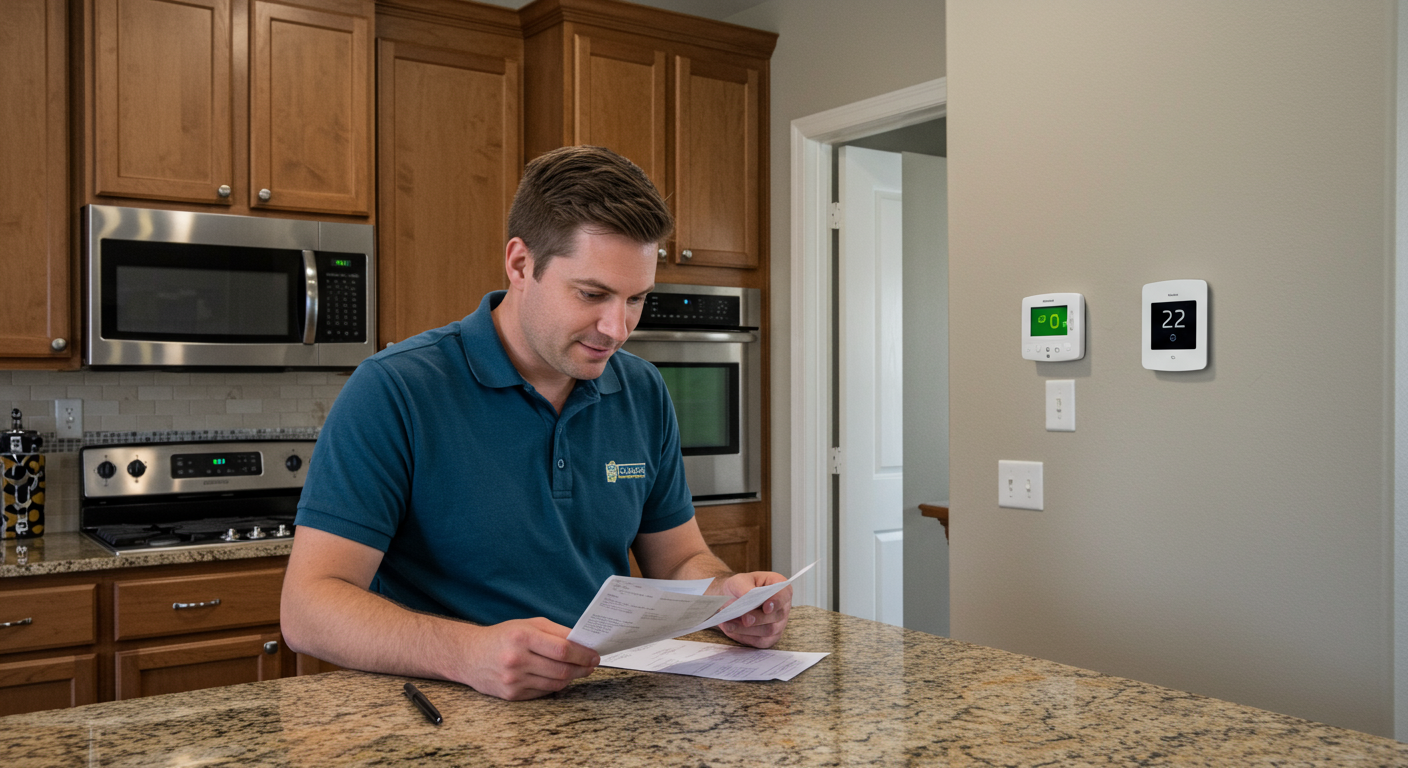
When considering home improvements, Lexington area homeowners who value investment returns and data-driven improvement decisions consistently ask the same question: “What will this actually add to my home’s value?” The answer varies by upgrade type, but electrical improvements offer some of the most quantifiable returns in today’s market.
Panel Upgrade: The Foundation of Electrical Value
Upgrading from a 100-amp to a 200-amp electrical panel represents one of the highest-impact improvements you can make. In Lexington’s current market, this electrical panel upgrade typically costs between $2,500 and $4,500 depending on your home’s configuration.
The measurable return? Appraisers regularly add $4,000 to $6,500 to home valuations when a modern 200-amp service is present compared to homes with outdated 100-amp panels. That’s an ROI ranging from 115% to 160% in markets like Lexington where buyers specifically search for updated electrical infrastructure.
Beyond the appraisal impact, a panel upgrade removes a major negotiation obstacle. Homes with outdated panels often face buyer requests for credits or price reductions during inspection. By addressing this proactively, you maintain your asking price and eliminate a common deal-breaker.
The 200-amp service also future-proofs your property for modern electrical demands. As more buyers prioritize homes ready for electric vehicle charging and smart home systems, this foundational upgrade becomes increasingly valuable.
Safety Upgrades That Appraisers Recognize
Ground Fault Circuit Interrupter (GFCI) and Arc Fault Circuit Interrupter (AFCI) protection installations represent compliance-based upgrades that directly influence appraisal outcomes. While not glamorous, these safety features carry significant weight in professional valuations.
Installing GFCI protection in required areas—kitchens, bathrooms, garages, and outdoor outlets—typically costs $150 to $400 for a standard Lexington home. AFCI protection for bedroom circuits adds another $300 to $800 depending on your panel configuration. These investments yield an average ROI of 90% to 110% in direct appraisal value.
More importantly, they eliminate red flags. Appraisers specifically note the absence of required safety features in their reports, which can trigger lender concerns or mandatory remediation requirements. Properties meeting current code standards consistently appraise $2,000 to $3,500 higher than comparable homes with documented safety deficiencies.
The market data tells a compelling story. Homes with fully compliant GFCI and AFCI systems spend an average of 18 fewer days on market compared to homes requiring these updates—a timeline advantage that often proves more valuable than the dollar amount itself.
Future-Proofing Features Buyers Pay Premium For
Dedicated circuits for high-demand appliances and EV charging stations represent the fastest-growing category of value-adding electrical upgrades. Installing a dedicated 240-volt circuit with a Level 2 EV charger costs approximately $1,200 to $2,500, yet homes with this feature command price premiums averaging $3,500 to $5,000 in Lexington’s suburbs—an ROI of 140% to 215%.
The numbers reflect buyer priorities. A recent market analysis showed that 67% of Lexington-area home shoppers in the $350K+ price range specifically filter for EV-ready properties. For these buyers, an existing charging solution eliminates a post-purchase expense and installation hassle they’re willing to pay to avoid.
Smart home electrical infrastructure delivers similar returns. Installing structured wiring, smart switches, and dedicated circuits for automation systems costs $1,800 to $3,500 for most homes. Properties featuring integrated smart electrical systems appraise $3,000 to $6,000 higher than comparable homes, yielding ROIs between 110% and 167%.
Exterior lighting and security system wiring enhancements complete the future-proofing package. Professional-grade landscape lighting with dedicated circuits and properly wired security camera infrastructure adds $1,500 to $2,800 in installation investment. These improvements return $2,200 to $4,500 in increased appraisal values—an ROI ranging from 125% to 161%.
The compounding effect matters most. Homes featuring multiple electrical upgrades—panel service, safety compliance, EV readiness, and smart infrastructure—consistently appraise 8% to 12% higher than comparable properties with outdated electrical systems. For a $400,000 Lexington home, that represents $32,000 to $48,000 in measurable value increase from strategic electrical improvements.
Timing Your Electrical Upgrades: When to Invest Before Listing Your Lexington Home
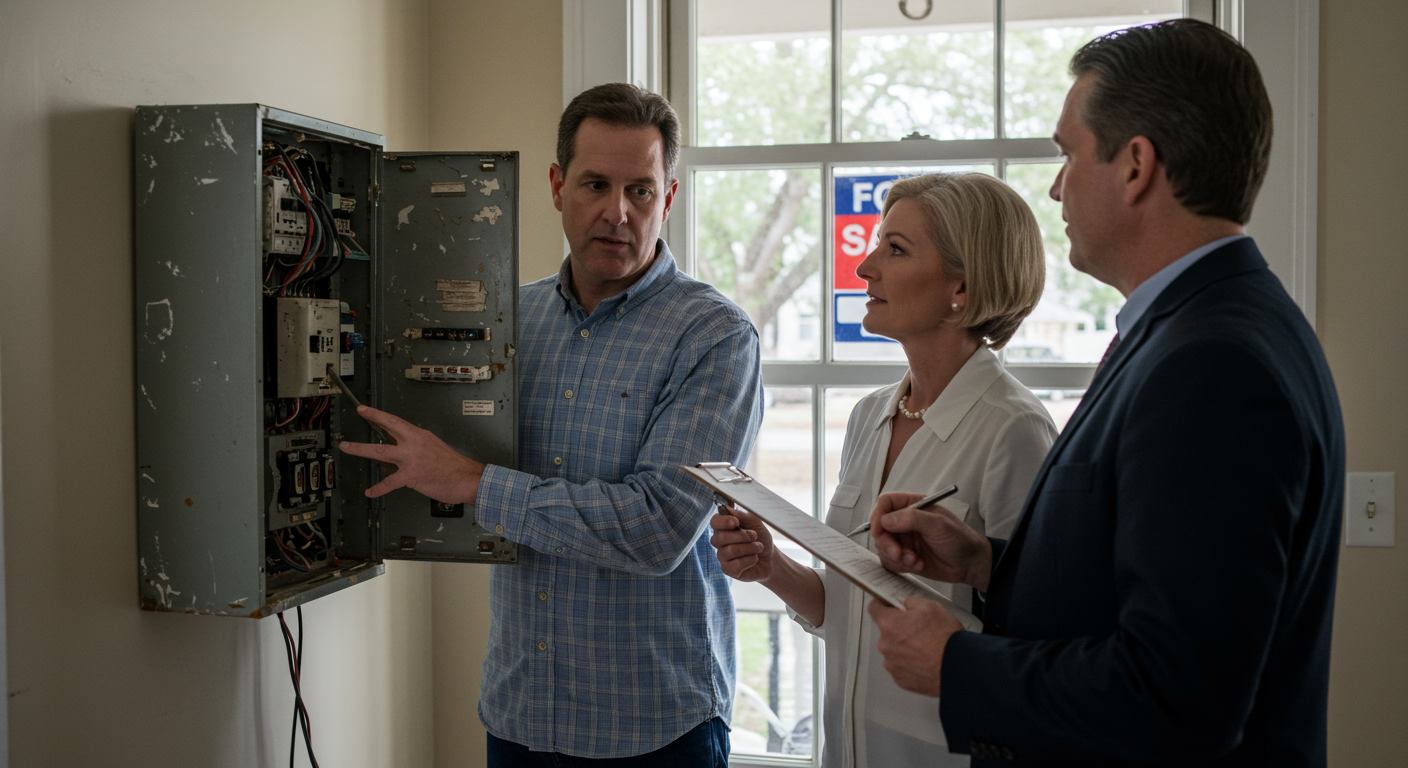
Strategic timing can mean the difference between recouping your electrical investment and leaving money on the table. Lexington area homeowners who value careful planning understand that rushing upgrades right before listing rarely delivers optimal appraisal results.
The sweet spot for completing electrical work falls between three to six months before your planned listing date. This window allows sufficient time for proper permitting, inspections, and documentation—all critical factors that appraisers consider when evaluating improvements. More importantly, it gives you breathing room to address any unexpected issues without delaying your listing timeline.
Budget constraints don’t mean sacrificing appraisal impact. Start with safety-critical upgrades like outdated electrical panels, faulty wiring, or code violations that could derail your sale entirely. These items typically deliver the strongest return because they remove barriers to financing approval. Next, consider visible improvements like GFCI outlets in kitchens and bathrooms, or upgraded lighting fixtures that buyers immediately notice during showings.
The Pre-Listing Electrical Assessment Strategy
A professional electrical inspection conducted before you list provides a roadmap for strategic improvements. Unlike the buyer’s inspection that happens after you’ve negotiated, a pre-listing assessment puts you in control of the narrative.
This proactive approach reveals exactly what appraisers and inspectors will scrutinize later. You’ll identify which electrical issues genuinely impact value versus cosmetic concerns that don’t warrant immediate investment. Many Lexington sellers discover that addressing two or three significant electrical deficiencies prevents thousands in last-minute concessions during negotiations.
Pre-listing inspections also demonstrate transparency to potential buyers and their lenders. When you can present documentation showing recent electrical panel repairs or system upgrades, you’ve answered questions before they become objections. This confidence-building approach often translates to stronger offers and smoother appraisals.
Creating an Upgrade Paper Trail for Maximum Appraisal Impact
Documentation transforms your electrical improvements from verbal claims into verified value additions. Appraisers can only credit upgrades they can confirm through proper records.
Your paper trail should include:
- Itemized invoices showing materials and labor for each electrical upgrade
- Building permits and corresponding inspection certificates from Lexington-Fayette County
- Before-and-after photographs timestamped with completion dates
- Warranty documentation for panels, fixtures, and major electrical components
- Written scope of work from licensed electricians detailing compliance improvements
Keep both physical and digital copies organized in a dedicated folder. When the appraiser arrives, this portfolio demonstrates the scope and quality of your electrical investment immediately. Many appraisers specifically request this documentation when evaluating comparable sales, and having it readily available prevents delays in the appraisal process.
Schedule a brief conversation with your appraiser before their visit to highlight significant electrical upgrades. While they maintain independence in their valuations, ensuring they’re aware of permitted electrical work helps them assess your home accurately against comparable properties that may lack similar improvements.
How Professional Electrical Documentation Strengthens Your Appraisal
When an appraiser walks through your home, they’re not just looking at what’s visible—they’re evaluating proof. For Lexington area homeowners who value professional credibility and documentation, having the right paperwork can mean the difference between an electrical upgrade that barely registers and one that substantially impacts your appraisal value.
The reality is straightforward: appraisers trust what they can verify. A homeowner who says “we upgraded the electrical panel” carries far less weight than one who presents permits, certificates of inspection, and professional invoices from a licensed electrician. This documentation transforms your claim from subjective opinion into objective fact.
What Documentation Appraisers Actually Review
Appraisers prioritize specific types of evidence when evaluating electrical improvements. Building permits issued by your local jurisdiction serve as the foundation—they confirm that work was performed to code and properly inspected. Completion certificates from licensed electricians provide professional verification that installations meet current safety standards.
Professional invoices do more than prove you paid for work. They establish a paper trail showing who performed the service, what materials were used, and when the work occurred. This becomes especially valuable for electrical panel repair and upgrades, where the investment is significant but the improvement isn’t always visible.
Licensed electrician work carries substantially more appraisal weight than DIY efforts, even when the actual quality might be comparable. The difference isn’t about skill—it’s about liability, accountability, and code compliance. A licensed professional stands behind their work with credentials, insurance, and warranties that a DIY project simply cannot match.
Building Your Electrical Improvement File
Creating a comprehensive electrical upgrade portfolio gives appraisers everything they need in one organized package. Start by collecting all permits and final inspection approvals. These documents prove your improvements are legal and code-compliant—critical factors in appraisal calculations.
Add detailed invoices and receipts from your electrical contractor. Include warranty information for both labor and materials. Most professional electrical work comes with guarantees ranging from one to ten years, and this reassures both appraisers and potential buyers that they won’t inherit immediate electrical problems.
Before-and-after photos provide visual context that paperwork alone cannot convey. A photo of your old 60-amp fuse box next to your new 200-amp panel tells an immediate story of modernization. Pair these with any inspection reports from home inspectors or electricians that document the condition before and after improvements.
Consider including manufacturer specifications for major components like panels, surge protectors, or whole-home generators. This technical documentation demonstrates that you invested in quality materials, not just minimum-standard replacements.
When you present this organized file during the appraisal process, you’re not just providing information—you’re demonstrating the kind of meticulous homeownership that suggests the entire property has been well-maintained. That perception alone can positively influence an appraiser’s overall assessment of your home’s condition and value.
Lexington Market Insights: What Buyers Expect from Home Electrical Systems in 2025
The Lexington real estate market has evolved significantly, especially for homeowners who value understanding current market expectations. Today’s buyers arrive at showings with electrical requirements that would have seemed excessive just five years ago. Their expectations reflect fundamental lifestyle changes centered around technology, sustainability, and future-readiness.
Modern buyers consistently request 200-amp service as the baseline minimum. This represents a significant shift from the 100-amp panels common in older Lexington homes. The difference matters because today’s households operate multiple high-draw devices simultaneously—think central air conditioning, electric vehicle charging, smart home systems, and home office equipment all running at once.
The Modern Lexington Buyer’s Electrical Checklist
Millennial and Gen Z buyers approach home tours with remarkably specific electrical priorities. These younger buyers don’t just accept smart home capability as a nice-to-have feature; they consider it essential infrastructure.
Their typical checklist includes:
- Dedicated circuits for home office equipment and high-speed internet infrastructure
- Pre-wired smart home automation compatibility, including connected thermostats, lighting controls, and security systems
- Sufficient outlet density in every room, with USB charging ports integrated into wall receptacles
- Outdoor outlets positioned for entertainment spaces and landscape lighting
Smart home automation capabilities have transitioned from luxury feature to standard expectation. Buyers specifically inquire about panel capacity to support these systems during initial walkthroughs.
EV charging readiness has emerged as a legitimate value driver across Lexington neighborhoods. Approximately 68% of buyers under 40 now consider EV charging capability during their home search, even if they don’t currently own an electric vehicle. They’re planning ahead. Homes with dedicated 240-volt circuits positioned in garages or driveways demonstrate forward-thinking ownership that resonates with today’s market.
Properties advertising EV charger installation readiness experience measurably stronger interest during listing periods. This preparation signals to buyers that one major infrastructure investment has already been addressed.
Energy efficiency represents another critical consideration. Solar-ready electrical systems—those with adequate panel capacity, proper positioning, and compatible equipment—appeal to environmentally conscious buyers and those concerned about long-term utility expenses. The investment in solar-compatible infrastructure pays dividends even before actual panel installation.
The gap between buyer expectations and typical Lexington home stock creates both challenges and opportunities. Most pre-2000 homes feature 100-amp service with minimal smart home infrastructure. This disparity means updated electrical systems provide genuine competitive differentiation.
Competitive Advantages in Multiple-Offer Situations
When multiple offers arrive simultaneously, homes with documented electrical upgrades consistently perform better. Buyers recognize that inherited electrical improvements represent thousands of dollars they won’t need to invest immediately after closing.
Updated panels, whole-home surge protection, and generator installation readiness all function as tie-breakers. These features demonstrate proactive maintenance and reduce buyer concerns about deferred maintenance issues.
The modern Lexington buyer calculates total ownership investment differently than previous generations. They’re evaluating your home’s readiness for their lifestyle from day one, and electrical infrastructure sits at the foundation of that assessment.
Getting Started: Your Electrical Upgrade Roadmap for Maximum Appraisal Value
Now that you understand how electrical improvements influence your home’s appraisal, it’s time to take action. A systematic approach ensures you make the right upgrades without overspending or missing critical details that appraisers notice.
The process starts with understanding what you currently have. Schedule a comprehensive electrical inspection to identify code violations, outdated components, and safety concerns. This baseline assessment reveals which upgrades will deliver the strongest appraisal impact versus those that simply maintain existing value.
Your 90-Day Electrical Upgrade Action Plan
Days 1-14: Assessment Phase
Document your current electrical system through professional inspection. Note the age of your panel, count available circuits, and identify any aluminum wiring or ungrounded outlets. Request a written report that specifies code compliance issues—appraisers often ask for this documentation.
Days 15-30: Contractor Selection and Planning
Research licensed electricians with experience in pre-sale upgrades. Review their portfolio for similar homes in your neighborhood. Get itemized quotes that separate necessary code compliance work from value-adding enhancements, allowing you to prioritize based on your budget and timeline.
Days 31-75: Execute Priority Upgrades
Focus first on electrical panel upgrades and code violations. These foundational improvements clear the path for appraisers to assess your home without red flags. Then tackle visible upgrades like GFCI outlets, modernized lighting fixtures, and dedicated circuits for appliances.
Days 76-90: Final Touches and Documentation
Complete cosmetic details like matching outlet covers and proper labeling. Gather all permits, inspection certificates, and warranty documentation in a folder for the appraiser. Schedule a final walkthrough to verify everything functions properly.
Questions to Ask Your Lexington Electrician
Finding the right partnership matters tremendously. Ask potential contractors: “How many pre-sale electrical upgrades have you completed in the past year?” Their answer reveals relevant experience with appraisal-focused work.
Inquire about permit handling: “Will you obtain all necessary permits and coordinate inspections?” Permitted work carries significantly more weight with appraisers than undocumented improvements.
Discuss timeline flexibility: “Can you adjust your schedule if my listing date changes?” Pre-sale timelines often shift, requiring contractors who adapt without compromising quality.
Budget conversations should be transparent. Request: “Can you provide a phased investment plan with must-do items separated from nice-to-have upgrades?” This approach lets you align electrical improvements with your overall home preparation budget.
Coordination with other contractors prevents conflicts. If you’re updating kitchens or bathrooms simultaneously, ensure your electrician communicates with other trades to sequence work efficiently.
Before appraisal day, verify every outlet functions, all fixtures have working bulbs, and your electrical panel shows clean labeling. Small details create the impression of a well-maintained home.
For Lexington area homeowners who value a systematic approach, this roadmap transforms electrical upgrades from overwhelming tasks into strategic investments that deliver measurable appraisal returns. Start your assessment today—90 days passes quickly when you’re preparing for a successful home sale.