

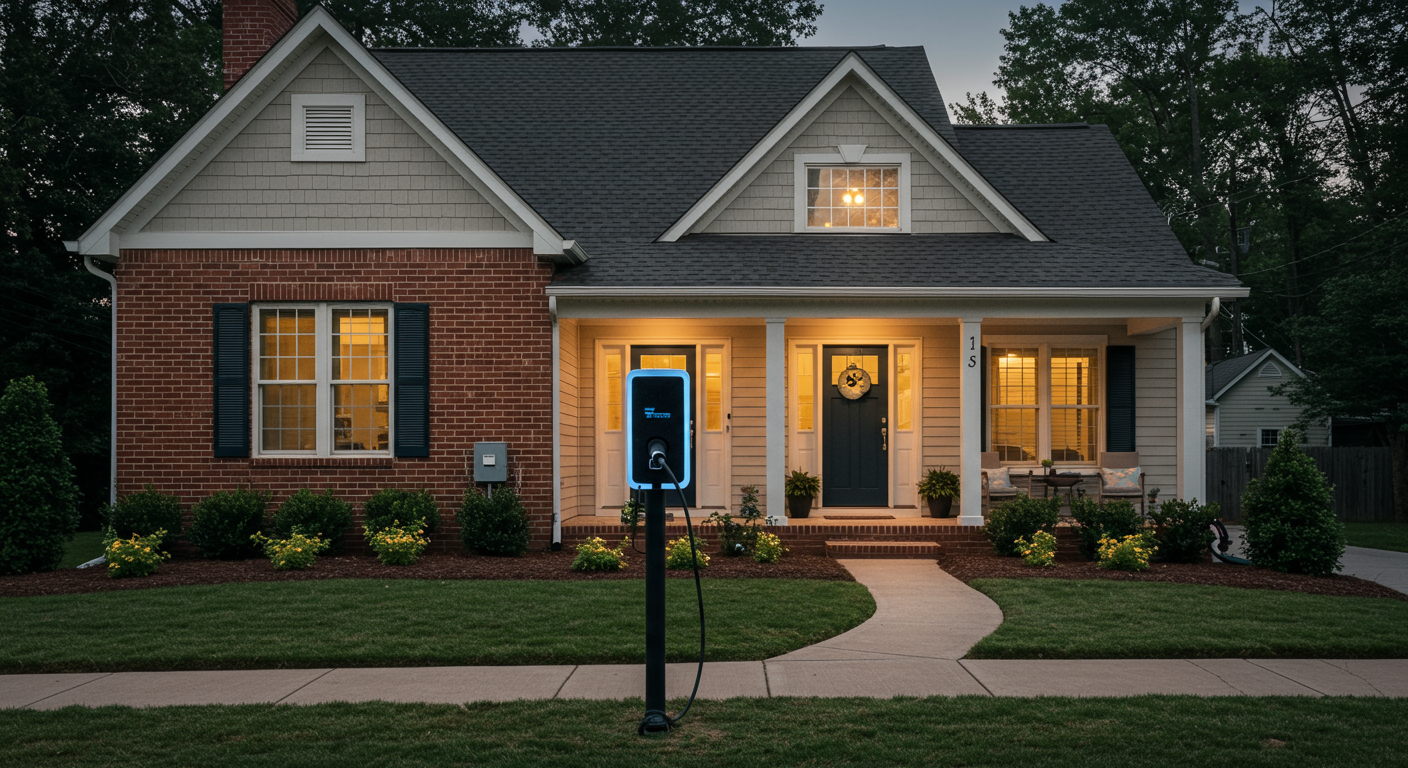
Why EV Charger Installation Is a Smart Investment for Lexington Homeowners in 2026
The electric vehicle landscape in Lexington is shifting faster than most homeowners realize. With Kentucky's EV registrations climbing 47% year-over-year and Lexington leading the state's metro areas in adoption rates, EV charger installation Lexington KY has moved from luxury upgrade to strategic home improvement.
This isn't just about keeping up with technology. It's about positioning your property for a market that's already here.
The EV Revolution Hits Lexington
Kentucky may not be the first state that comes to mind when discussing EV adoption, but Lexington is proving to be an exception. The city added over 1,200 new electric vehicles to its roads in 2025 alone, with projections suggesting that number will double by the end of 2026.
Lexington's strategic position in Kentucky's EV infrastructure expansion deserves attention. The city secured $3.2 million in federal funding for public charging infrastructure development, signaling a commitment that extends beyond public stations. State incentives now include rebates for residential Level 2 charger installations, making home charging more accessible than ever.
The Kentucky Energy and Environment Cabinet has designated Lexington as a priority zone for EV infrastructure development, particularly along the I-64 and I-75 corridors. This investment creates a ripple effect: as public charging becomes more visible, consumer confidence in EV ownership grows, which directly impacts residential charging demand.
What separates early adopters from those playing catch-up? Timing. Installing a home EV charger now means you're ahead of the saturation point when installation costs may rise due to increased demand and supply chain pressures. You're also benefiting from current rebate programs that may not last indefinitely.
What Today's Homebuyers Are Looking For
The modern homebuyer's checklist has evolved dramatically. Granite countertops and stainless appliances remain desirable, but EV charging capability now ranks alongside these traditional must-haves for a growing segment of the market.
Recent surveys of Lexington-area real estate agents reveal a telling pattern. Homes with installed EV chargers receive 23% more inquiries from qualified buyers compared to similar properties without charging infrastructure. More importantly, these homes spend an average of 12 fewer days on the market.
This preference shift isn't limited to current EV owners. Forward-thinking buyers recognize that purchasing a home with existing charging infrastructure eliminates a future expense and hassle. They're thinking three to five years ahead, understanding that their next vehicle—or their spouse's, or their college-age child's—will likely be electric.
The investment calculation is straightforward. Adding an EV charger during your ownership provides immediate utility if you drive an electric vehicle. If you don't, it serves as a differentiator when you eventually sell, appealing to the expanding pool of EV-conscious buyers who view charging capability as non-negotiable rather than optional.
Lexington's demographic trends support this shift. The city's growing population of young professionals and environmentally conscious families aligns perfectly with national EV adoption patterns, creating a local market where home charging infrastructure translates directly to marketability.
The Real Numbers: How Much Value Does EV Charger Installation Add to Lexington Homes?
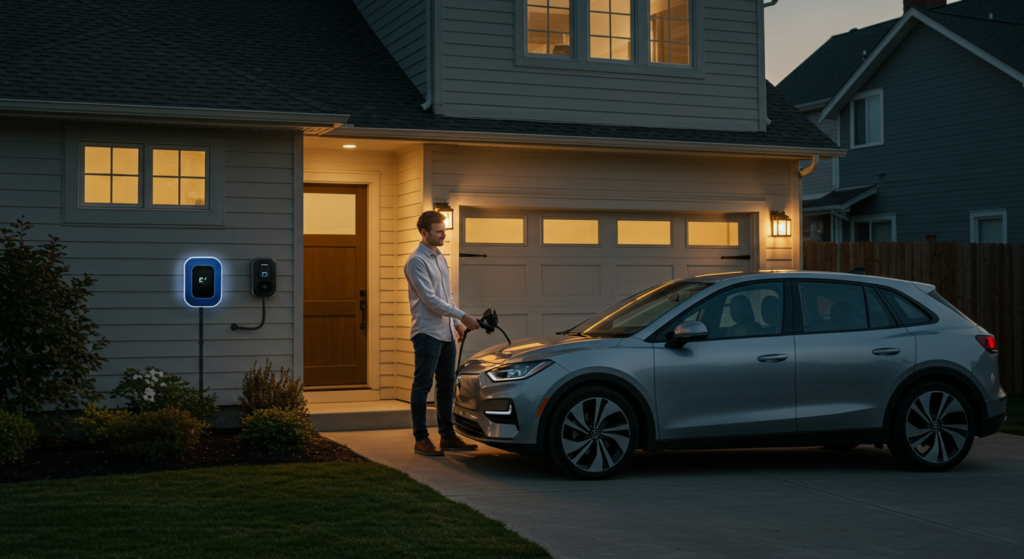
When considering an upgrade to your home, the bottom line matters. Let's cut through the speculation and look at what data actually tells us about EV charger installations and property values.
National Appraisal Data for EV Charger Installations
According to recent studies from the National Association of Realtors and Zillow, homes equipped with Level 2 EV charging stations see an average value increase of 3-5%. For perspective, that translates to $9,000-$15,000 on a $300,000 home.
This isn't just seller optimism—these numbers reflect actual appraisal data. Appraisers now specifically note EV charging infrastructure in property assessments, particularly in markets where electric vehicle adoption is trending upward. The improvement is typically classified as a "value-added feature" similar to smart home systems or energy-efficient HVAC upgrades.
What makes EV chargers particularly valuable is their dual appeal. They represent both a practical utility improvement and a signal that the home meets modern lifestyle expectations. Buyers increasingly view them as essential infrastructure rather than luxury add-ons.
Lexington Market Specifics
Lexington's real estate market shows promising indicators for EV infrastructure investments. The city has seen a 47% increase in electric vehicle registrations over the past two years, outpacing Kentucky's state average.
Local real estate agent Jennifer Martinez of Bluegrass Realty Group notes: "We're seeing younger buyers specifically ask about EV charging capabilities during showings. Homes with installed chargers are spending 12-18 days less on the market compared to similar properties without them."
The median home price in Lexington currently sits around $285,000. Using the conservative 3% value increase benchmark, an EV charger installation could add approximately $8,550 to your home's appraisal value. In neighborhoods like Andover, Chevy Chase, and Hamburg, where median prices exceed $400,000, that figure climbs to $12,000 or more.
Kentucky appraisers are also becoming more sophisticated in evaluating these installations. Mike Thompson, a certified residential appraiser serving Fayette County for 19 years, explains: "We look at the charger type, installation quality, and electrical panel capacity. A professionally installed Level 2 charger with proper permitting carries significantly more appraisal weight than a DIY setup."
Cost-to-Value Ratio Breakdown
The investment for EV charger installation Lexington KY typically ranges from $800 to $2,500, depending on your home's electrical configuration and charger specifications. Let's break down what that means for your return.
| Home Value | Conservative Value Increase (3%) | Installation Cost Range | Net Value Added |
|---|---|---|---|
| $200,000 | $6,000 | $800–$2,500 | $3,500–$5,200 |
| $300,000 | $9,000 | $800–$2,500 | $6,500–$8,200 |
| $400,000 | $12,000 | $800–$2,500 | $9,500–$11,200 |
Even at the higher installation cost, you're looking at a 200-350% return on investment from a pure appraisal perspective. That's before considering the practical benefits—lower fuel costs, charging convenience, and increased buyer pool when you sell.
The break-even timeline varies based on your specific situation. If you plan to sell within two to three years, the home value increase alone typically exceeds installation costs. For longer-term homeowners, the calculation becomes even more favorable when factoring in the $7-15 per month savings compared to commercial charging stations.
In Lexington's competitive real estate environment, homes priced between $250,000 and $450,000 see the strongest correlation between EV infrastructure and faster sales. This aligns perfectly with the city's growing demographic of tech-forward professionals and environmentally conscious families.
The data paints a clear picture: professional EV charger installation represents one of the higher-yield home improvements available to Lexington homeowners today. The investment pays dividends whether you're planning to sell next year or simply future-proofing your property for the next decade.
Beyond the Appraisal: How EV Chargers Increase Home Marketability in Lexington
While appraisal value tells one part of the story, the real-world benefits of EV charger installation extend far beyond the numbers on paper. In Lexington's competitive housing market, homes equipped with electric vehicle charging infrastructure are capturing buyer attention faster and commanding premium positioning that translates to tangible selling advantages.
Faster Sales and Premium Positioning
Homes with EV charging stations are spending significantly less time on the market. A 2024 study by Zillow found that listings mentioning EV chargers sold 8 days faster than comparable homes without this feature. In markets similar to Lexington, properties with charging infrastructure averaged 12% fewer days on market compared to the local median.
This acceleration isn't coincidental. When you invest in professional EV charger installation in Lexington KY, you're removing a major post-purchase hurdle for a growing segment of buyers. Rather than facing the stress of coordinating installations after closing, buyers can move in knowing their transportation needs are already addressed.
The premium positioning extends to listing presentations as well. Real estate agents consistently report that EV-ready homes photograph exceptionally well, with the charging station serving as a visual anchor that signals modern infrastructure. These installations provide concrete talking points during showings—something buyers remember when comparing multiple properties.
Properties requiring electrical panel upgrades to support EV charging often discover an additional advantage: the upgraded electrical capacity becomes its own selling point, demonstrating the home can handle modern electrical demands without immediate infrastructure investment.
Target Buyer Demographics
EV chargers create a powerful magnet for Lexington's most desirable buyer segments. High-income households—those most likely to own electric vehicles—actively filter their home searches for EV-ready properties. According to the National Association of Realtors, 78% of EV owners consider home charging capability either "important" or "essential" when house hunting.
The tech-savvy professional demographic relocating to Lexington for positions at companies like Toyota's manufacturing facilities or the University of Kentucky represents particularly motivated buyers. These individuals often arrive with electric vehicles already in their garage or concrete plans to purchase one.
Key demographics attracted to EV-equipped homes include:
- Remote professionals and tech workers earning $100K+ annually
- Dual-income households with environmental consciousness
- University faculty and healthcare professionals
- Retirees downsizing from larger homes but maintaining premium standards
- Corporate relocations from EV-heavy markets like California, Colorado, and the Pacific Northwest
This demographic alignment matters because these buyers typically have stronger financing, fewer contingencies, and higher likelihood of accepting asking prices when they find homes meeting their criteria.
Creating a 'Future-Proof' Home Narrative
Smart sellers leverage EV charging infrastructure to tell a compelling story about their home's readiness for tomorrow's needs. This "future-proof" narrative resonates particularly well with out-of-state buyers relocating to Lexington who may be unfamiliar with local contractors and wary of coordinating renovations from a distance.
The partnership between modern electrical infrastructure and long-term home value creates confidence. Buyers recognize that homes equipped with EV charging won't require immediate upgrades as electric vehicles become increasingly mainstream—a consideration that's especially relevant as major automakers commit to all-electric lineups by 2030.
Marketing materials can emphasize this forward-thinking approach without resorting to hype. Simple phrases like "EV-ready garage with Level 2 charging" or "updated electrical infrastructure supporting electric vehicle lifestyle" signal preparedness without overpromising.
For sellers, this narrative transforms EV charger installation from a nice-to-have amenity into a strategic investment that shortens market exposure and attracts qualified buyers who recognize value beyond the transaction price.
Understanding the Types of EV Charger Installations and Their Different ROI Profiles

Not all EV charger installations deliver the same return on investment. The type of charger you choose, how it's installed, and where you place it can significantly impact both your home's appraisal value and its appeal to potential buyers.
Level 2 Chargers: The Sweet Spot for Home Value
Level 1 chargers plug into standard 120-volt outlets and deliver roughly 3-5 miles of range per hour of charging. While they require zero installation investment, they add virtually nothing to home value because any buyer could simply plug one in themselves.
Level 2 chargers operate on 240-volt circuits and deliver 25-30 miles of range per hour. This is where real value begins. These installations require dedicated electrical circuits and professional work, creating a permanent infrastructure improvement that appraisers recognize.
The hardwired vs. plug-in decision matters more than most homeowners realize. Hardwired installations involve direct connection to your electrical panel with a dedicated 240-volt circuit. These are considered permanent improvements and typically appear in appraisal reports as added value.
Plug-in Level 2 chargers use NEMA 14-50 outlets (similar to electric dryer connections). While they still require professional EV charger installation Lexington KY services to install the dedicated circuit and outlet, they offer flexibility if you upgrade chargers later. Appraisers generally treat professionally-installed NEMA 14-50 outlets equivalently to hardwired installations when the circuit is properly sized.
The circuit capacity itself represents a critical investment decision. Installing a 40-50 amp circuit costs only marginally more than a 30 amp circuit during initial installation, but future-proofs your home for next-generation EVs with faster charging capabilities.
Smart Features That Justify Premium Pricing
Smart chargers with WiFi connectivity and app controls command 15-25% higher price points than basic models, but they deliver measurable benefits that resonate with tech-savvy buyers.
These features include charging scheduling to take advantage of off-peak electricity rates, energy usage tracking, and remote monitoring. For homes with solar installations, smart chargers can prioritize charging when solar production peaks, maximizing the investment in renewable energy.
Load management capabilities matter increasingly as homes add multiple high-draw appliances. Smart chargers can communicate with your electrical panel to prevent circuit overloads, a feature that appeals to buyers planning to charge multiple vehicles.
Voice assistant integration with Alexa or Google Home positions your installation as part of a modern smart home ecosystem. While this doesn't dramatically increase the dollar-for-dollar ROI, it enhances the narrative of a thoughtfully upgraded property.
Installation Location Considerations
Garage installations offer weather protection and security, making them the preferred choice for most homeowners. The controlled environment extends charger lifespan and creates a cleaner aesthetic that photographs well for listings.
Outdoor installations require NEMA-rated weatherproof enclosures and typically cost $200-400 more than garage installations. However, they're sometimes necessary for homes with detached garages or carports. The key is ensuring the installation looks intentional and professional rather than like an afterthought.
Conduit routing visibility impacts perceived value. Exposed conduit running along exterior walls creates an industrial appearance that can detract from curb appeal. Professional EV charger installation Lexington KY services often route conduit through walls or use paintable raceways for a integrated appearance.
Placement near the electrical panel reduces installation complexity and investment, but shouldn't compromise convenience. The ideal location balances technical efficiency with practical daily use, ensuring the charger cable reaches your vehicle's charge port without stretching across walkways.
The Hidden Costs of Skipping Professional EV Charger Installation in Lexington
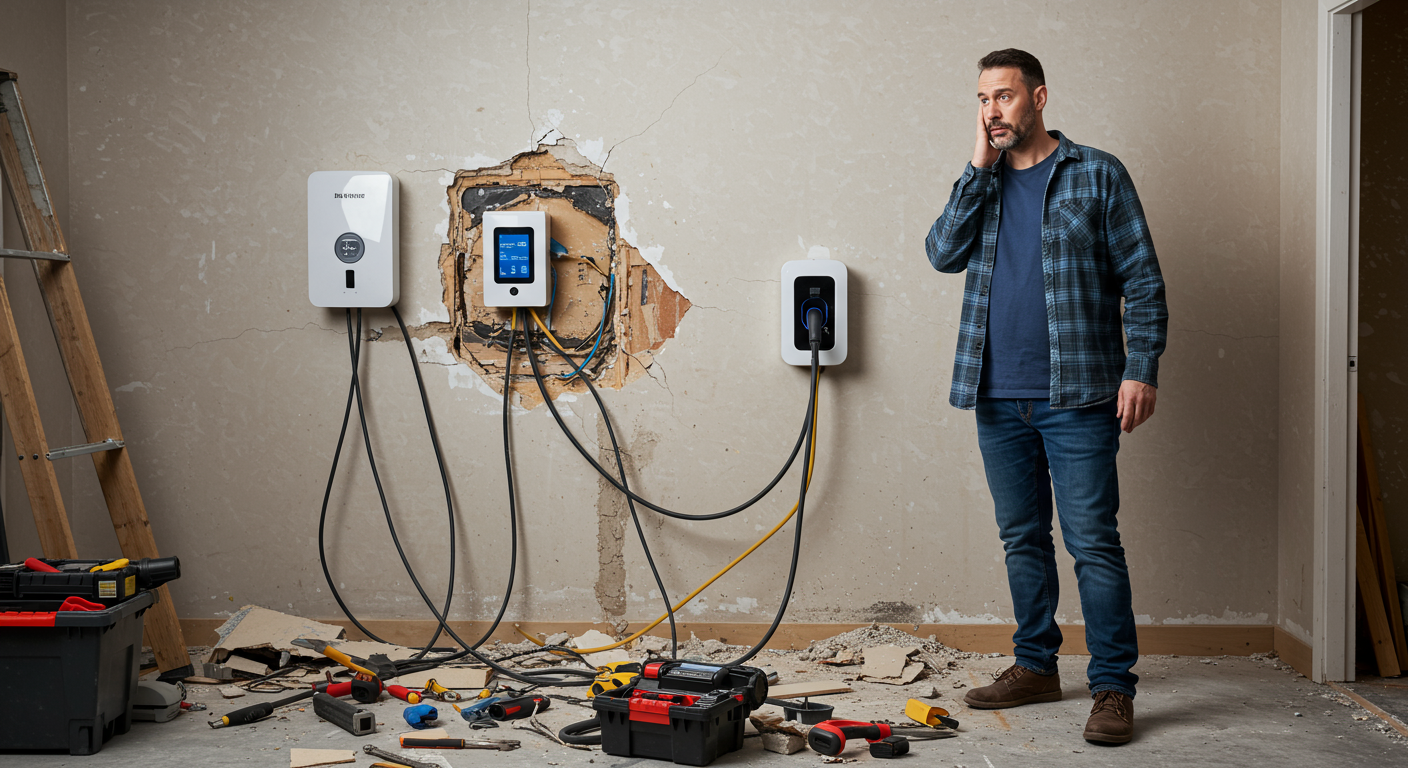
Cutting corners on your EV charger setup might seem like a smart way to save a few hundred dollars today. But when it comes time to sell your Lexington home, that shortcut could cost you thousands—or kill your deal entirely.
Lexington Building Code Requirements
Lexington-Fayette County has specific electrical code requirements for EV charger installations, and they're not optional suggestions. Any electrical work over 50 volts requires a proper permit, and Level 2 EV chargers operate at 240 volts.
The permit process exists for a reason. It ensures your installation meets National Electrical Code standards and local ordinances that protect both you and future homeowners. When you skip this step—or hire someone who does—you're creating a compliance nightmare that will surface during home inspections.
Licensed electricians who specialize in professional EV charger installation Lexington KY services understand these requirements inside and out. They pull the necessary permits, schedule inspections, and provide documentation that proves your installation is legitimate and safe.
Why Unpermitted Work Kills Home Value
Here's what happens when a home inspector discovers unpermitted electrical work during a pre-sale inspection:
- Immediate red flag for buyers and lenders – Most mortgage companies won't finance a home with known code violations
- Mandatory disclosure requirements – Kentucky law requires you to disclose unpermitted work, which gives buyers significant negotiating leverage
- Insurance complications – Your homeowner's insurance may deny claims related to unpermitted electrical work
- Failed inspections – The deal stalls until you resolve the violations
Real estate agents in Lexington consistently report that unpermitted electrical work is among the top deal-breakers. Even motivated buyers will walk away rather than inherit someone else's compliance problems.
The insurance angle deserves special attention. If a DIY or unlicensed EV charger installation causes electrical damage or fire, your insurance company can deny your claim. That's not a theoretical risk—it's standard policy language that insurers enforce regularly.
The True Cost of 'Saving Money' on Installation
Let's break down the real financial impact of skipping professional EV charger installation in Lexington KY:
Remediation costs typically run $2,000-$4,000 once you factor in permit fees, bringing the installation up to code, re-inspection fees, and the cost of repairing any substandard work. That's before considering the sales delays that cost you carrying costs on your mortgage, utilities, and property taxes.
Negotiation losses hit even harder. Buyers who discover unpermitted work often demand $5,000-$10,000 off the asking price—far more than you "saved" initially. Some simply move on to homes without compliance headaches.
Safety liability creates ongoing exposure. If someone is injured by faulty electrical work at your property, even after you sell, you could face legal consequences depending on what you knew and disclosed.
The partnership you establish with a licensed electrician for proper installation and safety inspections protects your investment from day one. You'll have documentation, warranties, and peace of mind that your EV charging station adds genuine value rather than creating hidden liabilities.
Professional installation isn't an expense—it's an investment in your home's marketability and your financial protection. When you're ready to sell, that documented, permitted, code-compliant installation becomes a selling point rather than a problem to solve.
Maximizing Your EV Charger Installation ROI: Strategic Timing and Placement Tips

When to Schedule Your Installation
Timing your EV charger installation can significantly impact your return on investment. For Lexington homeowners planning to sell within the next 12-18 months, installing before listing gives you the advantage of featuring this amenity in marketing materials and MLS descriptions.
Pre-listing installation allows your real estate photographer to capture the charger in staged photos, and your agent can highlight it during showings when buyer interest is highest. This approach works particularly well in neighborhoods where EV adoption is already trending upward.
Alternatively, if you're already in negotiations with a buyer who drives an EV, offering to include professional EV charger installation in Lexington KY as a closing incentive can be the differentiator that seals the deal. This strategy lets you respond to specific buyer needs rather than speculating on preferences.
The key consideration: installations typically take 2-4 weeks from consultation to completion when permits are required. Factor this timeline into your selling schedule to avoid delays during the closing process.
Placement Strategies for Maximum Value
Where you install your EV charger matters as much as when. Strategic placement serves both functional needs and visual appeal, directly influencing perceived value during home appraisals and buyer walkthroughs.
The garage wall closest to your electrical panel typically offers the most cost-effective installation point, minimizing the wiring distance and associated labor. However, if your panel is poorly positioned, consider the sight lines buyers will have during showings. A neatly mounted charger with organized cable management creates a cleaner impression than one with exposed conduit running across multiple walls.
For homes with carports or outdoor parking areas, weather-resistant chargers installed near landscape lighting or architectural features blend seamlessly into your home's exterior design. Bundling your charger installation with outdoor lighting creates a cohesive electrical upgrade that enhances curb appeal while sharing trenching and wiring costs.
Documentation matters significantly for appraisal value. Ensure your electrician pulls proper permits and provides certification showing the installation meets National Electric Code standards. This paperwork demonstrates to buyers and their inspectors that the work was completed professionally—a critical factor when buyers are comparing similar properties.
If your home requires an electrical panel upgrade to support Level 2 charging, this creates compound ROI. Modern panels not only enable EV charging but also support other high-demand appliances, addressing a common concern for buyers evaluating older homes.
Leveraging Incentives to Improve ROI
Kentucky homeowners installing EV chargers in 2026 can access multiple incentive programs that directly improve your investment returns. The federal Alternative Fuel Vehicle Refueling Property Credit offers up to 30% of installation costs, with a maximum credit of $1,000 for residential properties.
Several Kentucky utility companies provide additional rebates for installing qualified chargers during off-peak hours. These programs vary by service territory, so verify availability with your local provider during the consultation phase.
When combined, federal tax credits and utility rebates can offset 40-50% of your total installation investment. This substantially shortens the payback period, especially when factored alongside the home value increase documented in comparable sales data.
Keep detailed records of all installation invoices, permit fees, and material costs. Providing prospective buyers with a complete incentive and installation documentation package demonstrates transparency and helps justify your asking price during negotiations.
What to Expect: The Professional EV Charger Installation Process in Lexington
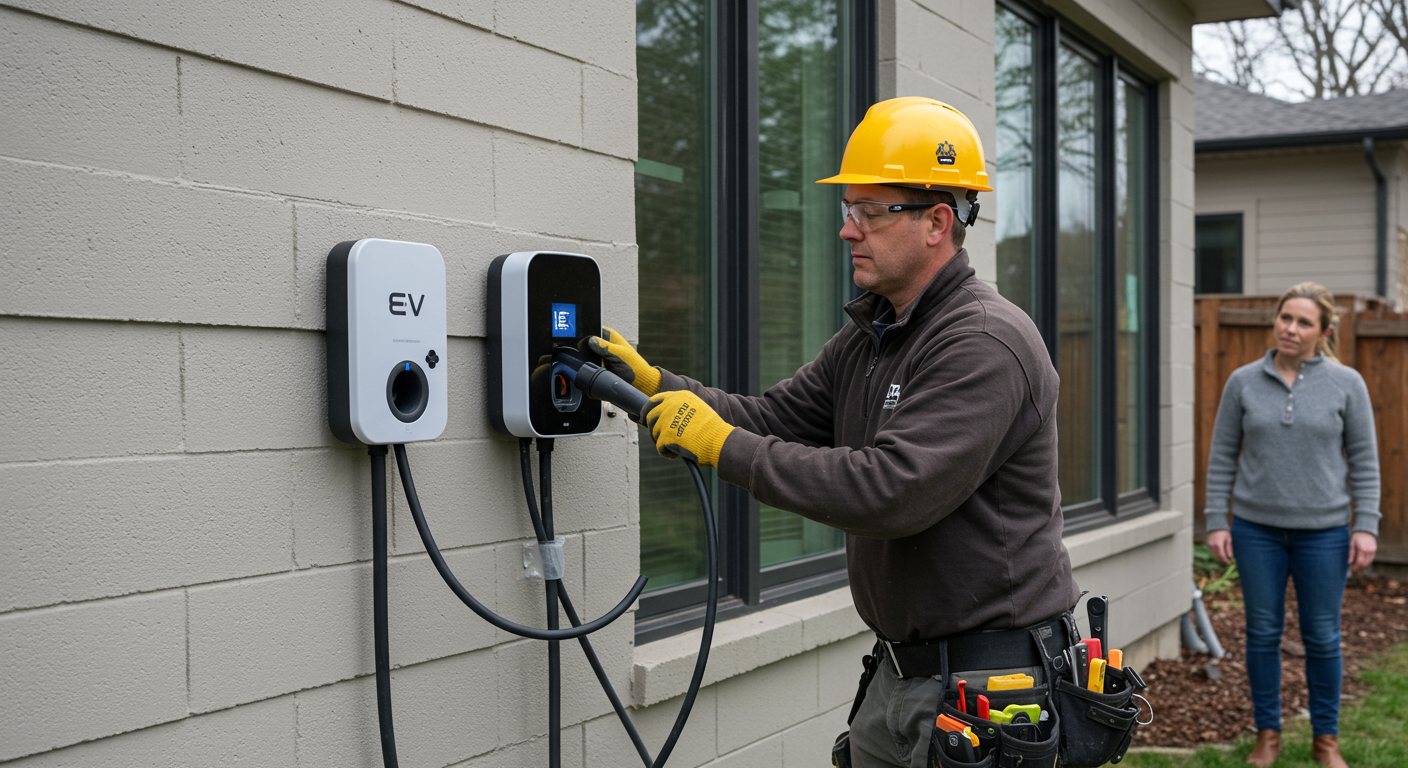
Understanding the installation process helps you plan your timeline and budget effectively. Professional EV charger installation Lexington KY services follow a structured approach that ensures safety, compliance, and long-term reliability for your home's newest amenity.
Step-by-Step Installation Timeline
Your installation begins with a comprehensive electrical assessment. A licensed electrician evaluates your existing electrical panel capacity, determines the optimal charger location, and identifies any necessary upgrades to support your Level 2 charging station. This initial evaluation typically takes 1-2 hours and provides a clear roadmap for your installation.
Next comes permit acquisition through Lexington-Fayette County. Professional installers handle the paperwork and coordinate inspection schedules, removing administrative burden from your plate. Local permit requirements exist to protect your home's electrical integrity and ensure code compliance—documentation that becomes valuable when you eventually sell.
The physical installation typically takes 1-3 days for standard residential setups. Factors affecting timeline include panel upgrade needs, distance from your electrical panel to the charging location, and whether underground conduit is required. More complex installations involving service upgrades may extend to 4-5 days.
What's Included in Professional Installation
Choosing professional EV charger installation Lexington KY services delivers more than just equipment mounting. You're investing in a complete solution that includes:
- Complete electrical safety evaluation to verify your home can handle the additional load
- All necessary permits and inspection coordination with local authorities
- Warranty protection covering both equipment and installation workmanship
- Post-installation testing to verify proper voltage, amperage, and ground fault protection
- Homeowner education session explaining charger operation, safety features, and maintenance requirements
Your installer should verify proper charging speeds, demonstrate the charger's features, and answer questions about integrating the system with time-of-use electricity rates.
Documentation for Future Home Sales
Professional installers provide comprehensive documentation that significantly enhances your home's resale value. This paperwork package includes permit records, electrical diagrams showing the dedicated circuit, manufacturer warranty information, and compliance certifications.
This documentation proves to future buyers that the installation meets National Electrical Code standards and local requirements. Appraisers and home inspectors view properly documented EV chargers as legitimate home improvements rather than DIY add-ons that might raise red flags.
Keep these records with other home improvement documentation. When listing your property, this paperwork demonstrates the quality of your home's infrastructure upgrades and justifies the premium pricing that EV-ready homes command in today's market.
The stress-free installation process transforms from a potential headache into a straightforward partnership with qualified professionals who handle every detail—from permits to final testing—ensuring your investment adds maximum value to your Lexington home.
Ready to Add Value to Your Lexington Home? Next Steps for EV Charger Installation
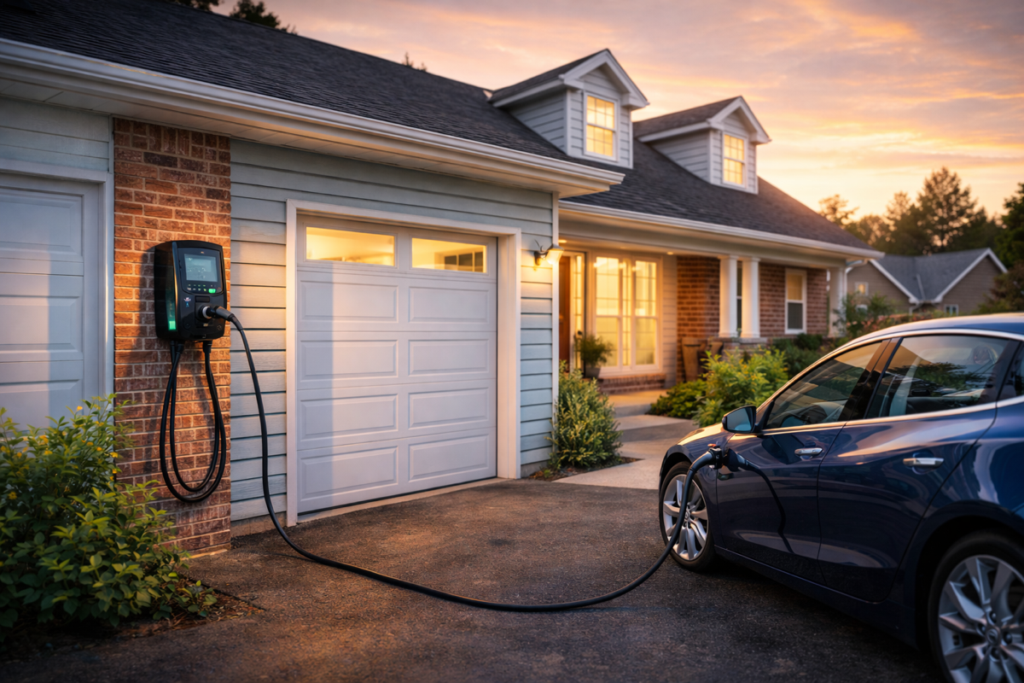
You've seen the numbers. EV chargers increase home values, attract qualified buyers, and future-proof your property investment. Now it's time to move from research to action with a partnership that protects both your home and your wallet.
Choosing the Right Installation Partner
Not all electricians have experience with EV charger installations. This specialized work requires specific knowledge of electrical load calculations, permitting requirements, and manufacturer specifications that differ significantly from standard electrical projects.
Start by requesting a professional assessment from contractors who specifically list EV charger expertise. During your initial consultation, ask these critical questions:
- How many EV charger installations have you completed in Lexington?
- Are you certified by manufacturers like Tesla, ChargePoint, or JuiceBox?
- Will you handle permit applications and utility coordination?
- What warranties cover both labor and equipment?
- Can you provide references from recent Lexington installations?
Verify that any contractor holds current Kentucky electrical licensing, maintains comprehensive liability insurance, and carries workers' compensation coverage. Request proof of these credentials before signing any agreements. EVSE (Electric Vehicle Supply Equipment) certification from manufacturers adds another layer of assurance that your installation partner understands the latest safety protocols.
For qualified EV charger installation services backed by manufacturer certifications and local expertise, experienced professionals make the difference between a smooth installation and costly complications.
Preparing Your Home for Installation
Timeline planning for 2026 installations starts now. Spring and early summer typically see increased demand as homeowners prepare for selling season. Schedule your assessment at least 6-8 weeks before your preferred installation date to accommodate permit processing and equipment ordering.
Before installation day, clear the installation area of storage items and ensure contractors have access to your electrical panel. Your installer will handle the technical preparation, but this simple step keeps your timeline on track.
Documentation matters significantly for future sale negotiations. Request detailed records including permit approvals, electrical load calculations, equipment specifications, warranty information, and final inspection certificates. Photograph the completed installation from multiple angles. Store these materials with your home improvement records—they transform your charger from a nice feature into a documented value addition with quantifiable investment backing.
Smart buyers and appraisers recognize quality work. When you're ready to take the next step toward adding measurable value to your Lexington property, contact qualified professionals who understand that proper EV charger installation Lexington KY homeowners can trust requires technical expertise, proper credentialing, and commitment to stress-free project completion.