


When Electrical Problems Can't Wait Until Morning
Signs you need an emergency electrician aren’t always obvious. It’s 11 PM on a Tuesday, and you’ve just noticed a burning smell coming from behind your living room wall. Your heart races as you try to locate the source. This isn’t something you can Google your way out of or add to your weekend to-do list—this is a genuine electrical emergency that demands immediate professional attention.
Understanding True Electrical Emergencies
Not every electrical issue requires dropping everything and calling for help at midnight. A single light switch that stops working? That's a routine repair. An outlet that needs replacing in your guest bedroom? Schedule it for next week.
But when you're facing active sparking, the smell of burning plastic, or a complete power failure that affects your safety, you're dealing with an emergency. These situations create immediate risks to your family and your property that escalate with every passing minute.
The Real Stakes in Kentucky Homes
According to the National Fire Protection Association, electrical failures or malfunctions account for approximately 13% of home structure fires nationwide. In Kentucky specifically, the state fire marshal's office reports hundreds of electrical fires annually, resulting in millions of dollars in property damage and tragic loss of life.
These aren't just statistics—they represent real families who often ignored warning signs or delayed calling for professional help. The difference between a quick repair and a catastrophic event often comes down to recognizing danger signals and responding appropriately.
Five Critical Warning Signs
Throughout this guide, we'll walk you through five specific warning signs that should trigger an immediate call to a qualified professional:
- Sparking outlets or electrical panels
- Persistent burning smells from walls, outlets, or fixtures
- Sudden power outages affecting multiple circuits
- Circuit breakers that won't reset or repeatedly trip
- Widespread flickering lights throughout your home
Each of these signals indicates potentially dangerous conditions developing within your home's electrical system. Recognizing them quickly can prevent serious damage or injury.
Why Speed Matters
Electrical problems don't improve on their own—they escalate. A small arc behind your wall can ignite surrounding materials within minutes. Overloaded circuits generating heat can smolder for hours before bursting into flame.
When these critical warning signs appear, waiting until morning or the weekend isn't just inconvenient—it's genuinely dangerous. Your electrical system is communicating that something has gone seriously wrong, and that message deserves immediate attention.
24/7 Response When You Need It Most
That's exactly why Doc Electric maintains round-the-clock availability for electrical emergencies. When you need an emergency electrician Lexington KY residents can count on, our team responds quickly to assess the situation, secure your safety, and resolve the underlying problem.
Because electrical emergencies don't respect business hours, and neither should your access to professional help.
Sign #1: Sparking Outlets or Switches That Shock You
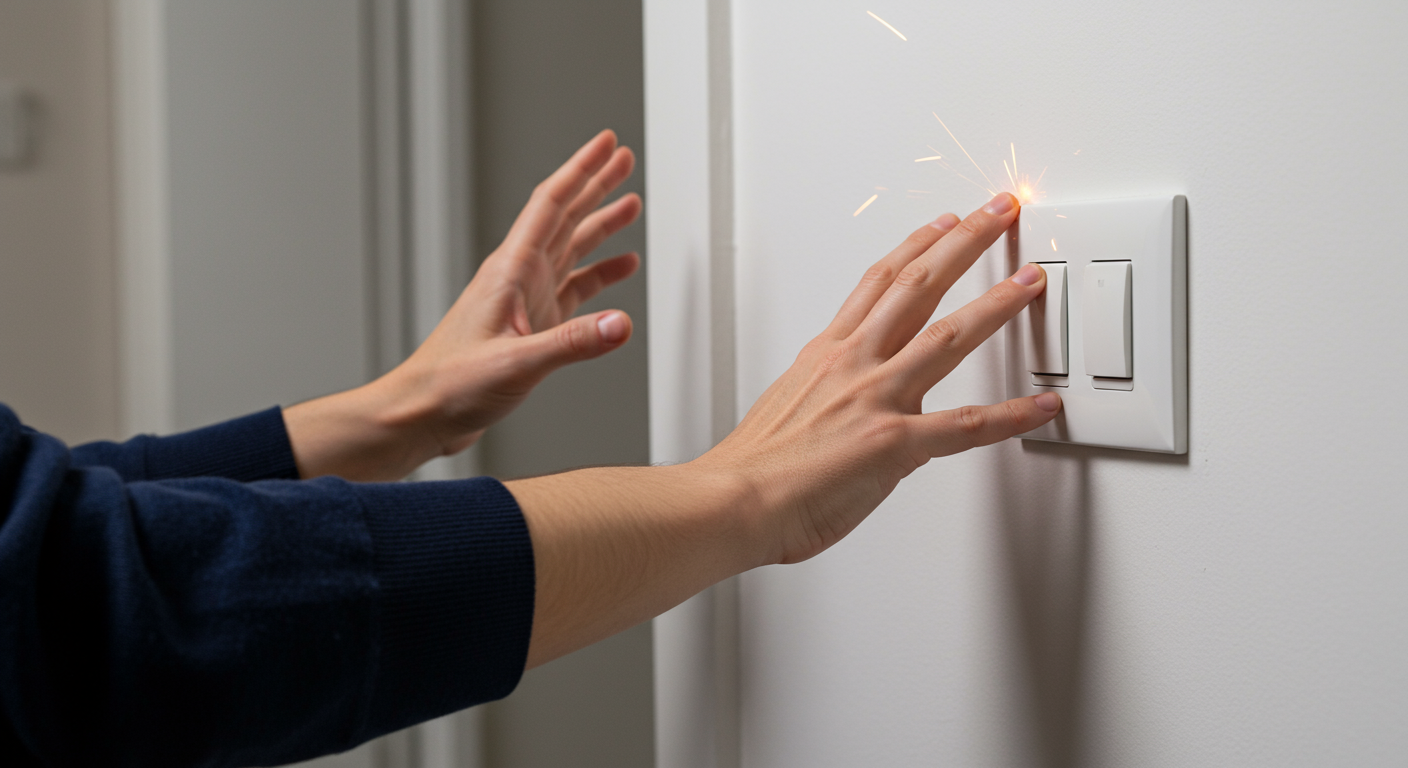
A spark from your electrical outlet isn't just startling—it's your home's way of screaming for help. While most homeowners notice the flash and move on with their day, that brief light show often signals dangerous electrical problems lurking behind your walls.
What Sparking Outlets Really Mean
When you see sparks flying from an outlet or switch, you're witnessing electricity escaping its intended pathway. This happens for several reasons, none of them good.
Loose connections are the most common culprit. Over time, the metal contacts inside your outlet can become loose, creating gaps where electricity arcs across empty space. This is essentially a miniature lightning bolt happening inches from your wall's flammable interior.
Damaged or deteriorating wiring presents an even more serious threat. Rodents, age, or amateur repair work can compromise wire insulation, allowing conductors to touch when they shouldn't. When this happens, you're looking at a direct pathway to electrical fire.
Water exposure turns any electrical outlet into a ticking time bomb. Even humidity from nearby bathrooms or kitchens can create conductive pathways that cause sparking. If you've noticed sparks in moisture-prone areas, you need an emergency electrician immediately.
Now, here's an important distinction: a tiny, barely visible spark when you plug something in can be normal. Modern appliances draw power the instant they make contact, which can create a small, quick spark called "load arc." This spark is brief, minimal, and happens only during the moment of connection.
Dangerous sparking is different. It's visible, repeated, accompanied by popping sounds, or happens when nothing is being plugged in. If you see sparks shooting from the outlet face, smell burning plastic, or notice scorch marks on the wall plate, you're dealing with a serious electrical hazard that requires professional intervention.
The fire risk is immediate and real. According to the Electrical Safety Foundation International, electrical failures or malfunctions cause an estimated 46,700 home fires annually. Many of these fires start with sparking outlets that homeowners noticed but delayed addressing.
Immediate Steps to Take Before Help Arrives
The moment you notice dangerous sparking, take action. Don't wait for it to "get worse" or convince yourself it's probably fine.
First, unplug any devices connected to the affected outlet. Do this carefully—if the outlet is actively sparking, don't touch it with bare hands. Use a wooden implement or wear thick rubber gloves if you must disconnect something.
Second, shut off the breaker controlling that specific outlet or area. Your electrical panel should have breakers labeled by room or area. If your panel isn't labeled (and many older homes aren't), shut off breakers one by one until you've killed power to the problem area. This is inconvenient but necessary for safety.
Third, mark the outlet clearly so family members know not to use it. A piece of tape and a note work fine—just make sure no one attempts to plug anything in before repairs are completed.
Finally, contact an emergency electrician Lexington KY immediately. This isn't a "wait until Monday" situation or a DIY weekend project. Electrical repairs involving sparking outlets require immediate professional attention.
Consider what happened to a Lexington family last winter. They noticed occasional sparks from a living room outlet but kept using it because "it only happened sometimes." Three weeks later, that outlet ignited the drywall behind their television at 2 AM. The fire spread through the wall cavity before smoke detectors woke them. Thankfully, everyone escaped safely, but the damage displaced the family for four months.
Sparking outlets escalate quickly because the same conditions causing visible sparks are simultaneously damaging wiring you can't see. Each spark degrades connections further, generates heat, and brings you one step closer to a dangerous electrical fire.
Your electrical system won't fix itself. Those sparks will continue, worsen, and eventually cause serious damage or injury. The investment in professional emergency electrical service today prevents catastrophic loss tomorrow.
Sign #2: Burning Smell or Smoke Coming from Electrical Outlets

If you've noticed an unusual burning smell near your outlets or electrical panel, your home is telling you something critical: the wiring inside your walls is overheating. This isn't a situation where you wait until Monday morning or finish watching the game. When electrical components burn, you're in a race against time.
The distinct odor of burning plastic or what many describe as a "fishy" smell indicates that wire insulation is melting. This protective coating exists for one reason—to prevent electrical current from escaping the wire and igniting surrounding materials. Once that insulation begins to deteriorate from heat, the risk of fire increases exponentially.
Identifying Electrical vs. Other Burning Smells
Not every burning smell in your home signals an electrical emergency, but electrical fires have telltale characteristics that homeowners should recognize immediately.
Electrical burning smells typically present as acrid burning plastic, a sharp chemical odor, or surprisingly, a fishy smell. That fishy odor confuses many homeowners, but it's actually the scent of heat-damaged electrical components and wire insulation breaking down. If the smell intensifies near outlets, switches, or your breaker panel, you've identified the source.
Compare this to other household burning smells. Dust burning off baseboard heaters smells briefly musty when you first turn on the heat each season. A forgotten pan on the stove smells like burnt food with an obvious source. Electrical fires smell synthetic, chemical, and the source isn't immediately visible because it's happening inside your walls.
Here's the critical difference: electrical burning smells don't have an obvious explanation, and they persist or worsen over time rather than dissipating quickly.
Why This Can't Wait Until Business Hours
The progression from "I smell something weird" to "my wall is on fire" can happen in minutes or hours—not days. Overheated wires create a cascading failure scenario inside your walls where you can't see or control what's happening.
When wiring overheats, the insulation melts first. The exposed wires then make contact with wooden framing, insulation, or other combustible materials. At this point, smoldering begins, often producing smoke but not yet visible flames. This smoldering phase is deceptive because homeowners often think the danger has passed when the smell fades—but it's actually spreading deeper into wall cavities.
The danger zone after first noticing a burning smell extends approximately 30 minutes to several hours. During this window, the heat and smoke build within enclosed wall spaces, creating ideal conditions for flashover—when everything in a confined space simultaneously ignites.
If you see smoke coming from an outlet or electrical panel, evacuate immediately and call 911. This isn't being dramatic; visible smoke means active combustion is already occurring. Once your family is safe, contact an emergency electrician Lexington KY residents trust to respond 24/6.
If you smell burning but don't see smoke, shut off power at the main breaker if you can do so safely, evacuate to a safe distance, and call an emergency electrician immediately. Don't wait to see if the smell goes away—that's the house fire equivalent of hoping chest pain resolves on its own.
In Lexington homes specifically, we see three primary causes behind burning electrical smells:
Older wiring systems installed before 1980 weren't designed for modern electrical loads. Your grandparents' home never powered multiple computers, smart home devices, and electric vehicle chargers simultaneously.
Overloaded circuits happen when too many devices draw power through wiring rated for lower amperage. This creates heat buildup that accelerates insulation breakdown.
Rodent damage is surprisingly common in Lexington's older neighborhoods. Mice and squirrels chew through wire insulation, creating direct contact between conductors and flammable materials.
Each of these scenarios requires professional diagnosis and often whole-home rewiring to address safely. An emergency electrician can stabilize the immediate danger, then create a partnership plan for comprehensive electrical system updates that protect your most important investment—your home and the people in it.
Sign #3: Repeated Circuit Breaker Trips That Won't Reset
Your circuit breaker panel works quietly behind the scenes to protect your home from electrical disasters. When a breaker repeatedly trips or refuses to stay reset, it's sending you an urgent message that something is seriously wrong with your electrical system.
Understanding Your Circuit Breaker Panel
Think of your circuit breaker panel as the guardian of your home's electrical system. Each breaker monitors a specific circuit, watching for conditions that could damage your wiring or start a fire.
Circuit breakers trip as a protective mechanism when they detect one of three dangerous conditions: an overloaded circuit drawing too much current, a short circuit where hot wires touch, or a ground fault where electricity finds an unintended path. This automatic shutdown prevents wires from overheating and igniting surrounding materials.
An occasional trip isn't necessarily cause for alarm. If you've plugged a space heater into the same circuit as your hair dryer and the breaker trips, that's the system doing its job. You simply reset the breaker and redistribute your electrical load.
The real danger emerges when a breaker trips repeatedly under normal use, or worse, refuses to stay in the "on" position when you reset it. This persistent tripping indicates an ongoing electrical fault that needs immediate diagnosis.
Some homeowners make a critical mistake when facing stubborn breakers: forcing the breaker back on or replacing it with a higher amperage breaker. This is like removing the batteries from a smoke detector because it keeps beeping. The breaker isn't your problem—it's trying to protect you from your problem. Overriding this safety mechanism can allow dangerous conditions to persist, potentially leading to electrical fires within your walls.
Red Flags That Signal Emergency Service Needed
You need an emergency electrician Lexington KY residents trust when you notice these warning patterns:
A breaker that trips immediately upon reset — This suggests a serious short circuit or ground fault in the wiring. The electrical current is finding a path it shouldn't take, and the problem won't resolve itself.
Multiple resets required throughout the day — If you're resetting the same breaker more than once in a 24-hour period, you're dealing with an unstable electrical condition that demands professional investigation.
A breaker that feels hot to the touch — Circuit breakers should never be warm or hot. Heat indicates the breaker itself is failing or the circuit is chronically overloaded.
Burning smell or discoloration around the panel — These signs suggest overheating has already begun damaging components. This is a fire hazard requiring immediate attention.
Buzzing, crackling, or humming sounds from the panel — Electrical connections should be silent. Sounds indicate loose connections, arcing, or component failure inside the panel.
Behind repeated breaker trips often lurks damaged wiring, deteriorating connections, moisture infiltration, or an electrical panel that can no longer handle your home's power demands. These aren't issues you can troubleshoot with a voltage tester from the hardware store.
Professional diagnosis from a licensed electrician will pinpoint whether you're dealing with a faulty appliance, compromised wiring, or a panel that needs upgrading. In some cases, homes with older electrical systems simply need electrical panel upgrades to safely support modern electrical demands.
When a breaker refuses to cooperate, don't wait to see if it sorts itself out. The investment in professional electrical service protects both your property and your family's safety.
Sign #4: Complete or Partial Power Outage Only at Your Home
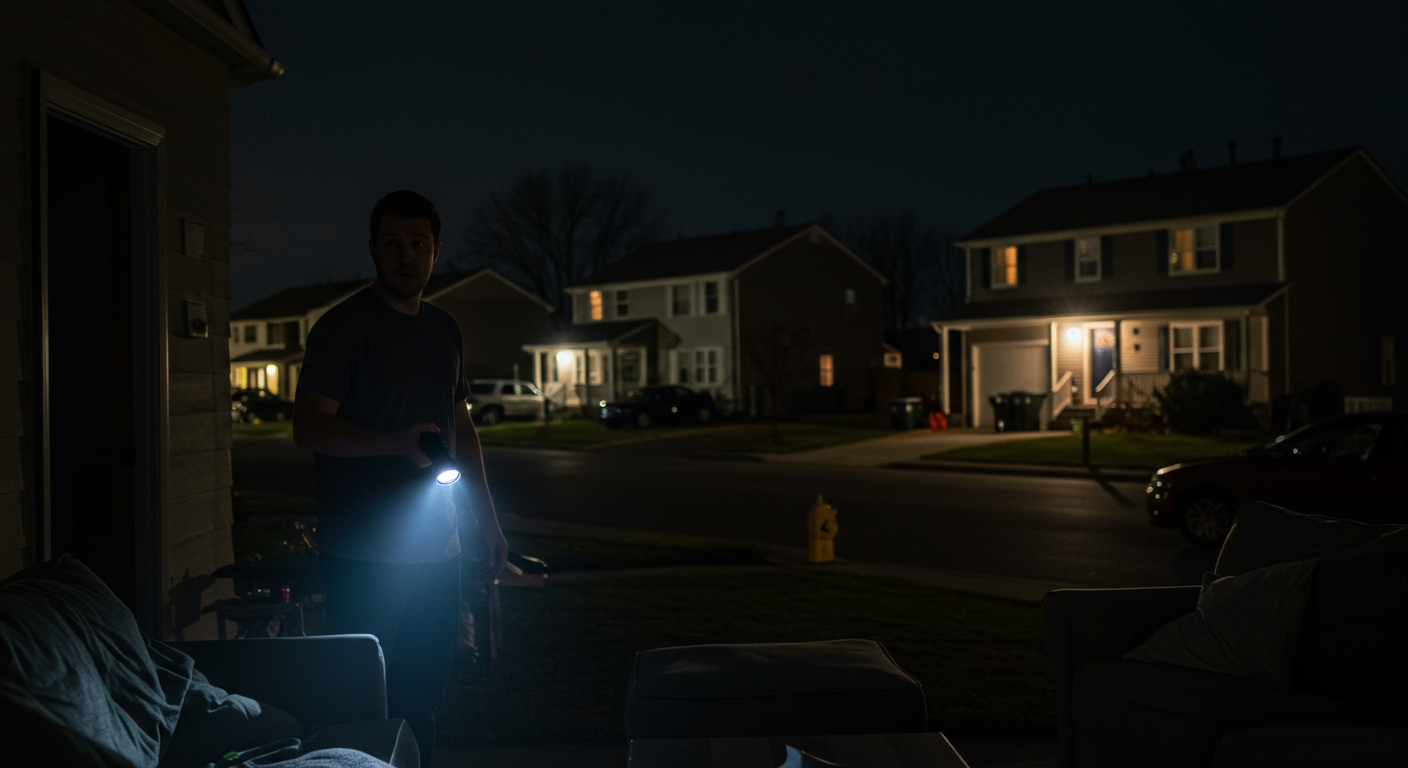
Nothing feels quite as isolating as watching your neighbor's lights blazing while your entire home sits in darkness. When everyone else on the block has power but you don't, you're dealing with something more serious than a blown fuse.
Troubleshooting: Is It Really an Emergency?
Before you panic, take a systematic approach to confirm the problem is isolated to your property.
Start by checking your neighbors. If it's nighttime, a quick glance down the street tells you everything you need to know. During daylight hours, you might need to knock on a door or two. This simple check distinguishes between a utility company issue and a problem that requires an emergency electrician.
Next, contact your utility provider. Most power companies maintain automated outage reporting systems that can tell you within seconds whether there's a reported issue in your area. If the utility company shows no outages in your neighborhood, the problem originates at your property—specifically in your service entrance, meter, or main electrical panel.
Partial outages are particularly deceptive and dangerous. You might have power to some rooms but not others, or certain outlets work while overhead lights don't. This scenario often indicates a failed "leg" in your 240-volt service. Your home receives power through two 120-volt legs that combine to provide 240 volts for major appliances. When one leg fails, you'll have scattered power throughout your home—enough to confuse you, but not enough to function safely.
This imbalanced load creates immediate risks. Appliances receiving insufficient voltage can overheat. Circuits struggle to compensate for the uneven distribution. The longer this condition persists, the more damage accumulates throughout your electrical system.
What Your Lexington Emergency Electrician Will Check First
When you call a qualified emergency electrician Lexington KY homeowners trust for isolated power outages, they'll methodically work from the street to your main panel.
The weatherhead (where power lines connect to your home) gets inspected for damage, loose connections, or weather-related deterioration. Kentucky's temperature swings and storm activity can loosen connections over time, especially in older homes.
Your meter base comes next. A professional will look for burn marks, melting, corrosion, or signs that water has infiltrated the enclosure. In many cases, the utility company must be contacted to pull the meter safely before repairs can begin—something a qualified electrician coordinates as part of their service.
The main electrical panel receives thorough examination. Your electrician checks for a tripped main breaker, signs of internal failure, bus bar problems, or damage to the main disconnect. They're looking for evidence of overheating, improper previous repairs, or component failure that compromised your entire system.
For partial outages, the focus shifts to identifying which leg has failed and why. This often requires voltage testing at multiple points to trace where the power loss originates.
The risks of attempting DIY fixes in these situations cannot be overstated. You're dealing with the full voltage and amperage coming into your home—the same power that runs your air conditioner, electric range, and water heater. A mistake at this level can be fatal.
This becomes a true emergency when extreme weather threatens your safety or comfort. Kentucky summers without air conditioning aren't just uncomfortable—they're dangerous for vulnerable household members. Winter outages put you at risk of frozen pipes and hypothermia.
If anyone in your home depends on electrically-powered medical equipment, an isolated power outage demands immediate professional response. Refrigerated medications, oxygen concentrators, and mobility devices can't wait until morning.
Even food spoilage represents a significant concern. A full freezer might maintain safe temperatures for 48 hours if unopened, but a refrigerator begins allowing bacterial growth within four hours. The investment in emergency electrical service often costs less than replacing a week's worth of groceries and the peace of mind that comes with restored safety.
Electrical panel upgrades may be recommended if your outage stems from an outdated or undersized system that's reached the end of its service life.
Sign #5: Flickering Lights Throughout Your Entire Home
When a single lamp flickers, you probably just need a new bulb. But when lights dim and flicker throughout your entire home? That's a completely different situation—and one that demands immediate attention from an emergency electrician Lexington KY homeowners can trust.
The distinction matters more than you might think. A single fixture flickering typically points to a localized issue: a loose bulb, faulty light switch, or worn-out fixture. Whole-home flickering, however, signals problems with your main electrical service, utility connection, or electrical panel—the critical infrastructure that powers everything in your home.
Flickering Lights: Nuisance or Danger?
Whole-home flickering isn't just annoying—it's often dangerous. When lights throughout your house dim or flicker simultaneously, you're witnessing voltage fluctuations that can damage every device plugged into your electrical system.
These power surges and voltage drops wreak havoc on sensitive electronics. Your smart TV, computer equipment, kitchen appliances, and HVAC system all contain delicate circuitry designed to operate within specific voltage ranges. Repeated exposure to fluctuating power gradually degrades these components, shortening their lifespan and potentially causing catastrophic failure.
Modern appliances are particularly vulnerable. Refrigerators with computerized controls, high-efficiency furnaces with electronic ignition, and smart home systems can all suffer permanent damage from ongoing electrical instability. The investment you've made in these appliances is at risk every moment this flickering continues.
Pay special attention if lights flicker when certain appliances turn on. Does your whole house dim when the air conditioner kicks in? Do lights brown out when you run the microwave and dishwasher together? This pattern indicates serious electrical capacity issues—your system simply can't handle your home's power demands.
For older Lexington homes built before the 1980s, this problem becomes even more critical. Many of these homes still operate on 100-amp electrical panels designed for a different era—before central air conditioning, multiple computers, electric vehicle chargers, and the dozens of devices we now consider essential. When modern electrical demands meet outdated infrastructure, flickering lights are often the first warning sign before more serious failures occur.
These vintage electrical systems weren't built with circuit breakers sensitive enough to catch many developing problems. They may allow dangerous conditions to persist without tripping, putting your home at increased risk for electrical fires. Whole-home rewiring becomes not just an upgrade but a safety necessity.
How Emergency Electricians Diagnose Whole-Home Electrical Issues
Professional diagnosis of whole-home flickering requires specialized equipment and systematic testing that goes far beyond what homeowners can accomplish on their own.
An emergency electrician will first determine whether the problem originates with your utility service or within your home's electrical system. Using voltage meters and power quality analyzers, they can measure exactly what's happening at your service entrance and throughout your electrical panel.
They'll examine your main service connection points where utility power enters your home. Loose connections here create resistance that causes voltage drops and flickering. These connections can loosen over time due to thermal cycling—the heating and cooling that occurs as electrical load fluctuates—or simply from age and weathering.
The electrical panel itself receives thorough scrutiny. Corroded bus bars, loose circuit breaker connections, and deteriorating panel components all contribute to whole-home electrical problems. An electrical panel upgrade often becomes the foundation of solving persistent flickering issues, particularly when your current panel lacks the capacity or safety features your home needs.
Emergency electricians also perform load calculations to determine whether your electrical service can safely handle your home's actual power consumption. This assessment reveals whether you're simply overtaxing an undersized system—a common scenario in Lexington's historic neighborhoods where charming older homes meet 21st-century electrical demands.
The bottom line: whole-home flickering requires immediate professional evaluation. The longer you wait, the greater the risk to both your safety and your valuable electrical equipment.
What to Expect When You Call an Emergency Electrician in Lexington, KY
When you're facing a serious electrical issue in your Lexington home, knowing what happens next can provide peace of mind during a stressful situation. Here's exactly what to expect when you reach out to an emergency electrician Lexington KY residents trust.
The Emergency Service Call Process
The moment you contact an emergency electrician, the clock starts ticking—but in your favor. Most reputable electrical contractors in Lexington aim to respond within 60-90 minutes for true emergencies, though response times can vary based on current demand and your specific location within the service area.
Before the technician arrives, you'll speak with a dispatcher or service representative who will ask specific questions. Having certain information ready streamlines this process considerably. Be prepared to describe the electrical symptoms you're experiencing—whether that's sparking outlets, burning smells, or complete power loss. Note the specific location of the problem in your home and any immediate safety concerns, such as exposed wiring or smoke.
When your emergency electrician Lexington KY professional arrives, they'll begin with a thorough safety assessment. This isn't just protocol—it's about protecting you, your family, and your property. The electrician will evaluate whether it's safe to proceed with diagnostics or if temporary measures need to be implemented first.
The diagnostic process follows a systematic approach. Your technician will use specialized testing equipment to identify the root cause of the electrical emergency, not just the visible symptoms. They'll explain their findings in plain English and outline the necessary repairs before beginning any work.
Emergency electrical services operate differently than scheduled appointments, and pricing reflects that reality. Your electrician should provide transparent pricing before starting repairs, explaining how emergency service rates work. These rates account for after-hours availability, rapid response times, and the specialized equipment needed for urgent situations. Think of it as an investment in your home's safety and your family's well-being rather than an unexpected expense.
Why Choose Doc Electric for Emergency Electrical Needs
Doc Electric's 24/7 emergency service operates with a clear commitment: your electrical emergency becomes our priority, regardless of when you call. Their technicians carry fully-stocked service vehicles equipped to handle the vast majority of emergency repairs on the first visit—no waiting days for parts to arrive.
What sets Doc Electric apart is their partnership approach to emergency situations. You're not just getting a quick fix; you're working with professionals who care about long-term solutions. After addressing the immediate emergency, their electricians provide honest assessments about underlying issues that might have contributed to the problem.
Follow-up services are built into Doc Electric's emergency response protocol. Once your immediate crisis is resolved, they'll schedule a comprehensive electrical safety inspection to identify potential hazards before they become emergencies. This proactive approach transforms a stressful situation into an opportunity to make your entire electrical system safer and more reliable.
Doc Electric's technicians also provide preventive recommendations tailored to your home's specific electrical infrastructure. These aren't high-pressure sales tactics—they're practical suggestions based on what they've observed during the emergency call. You'll understand exactly what upgrades or maintenance could prevent future emergencies, allowing you to make informed decisions about your home's electrical health on your own timeline.
Frequently Asked Questions About Emergency Electrical Services
What qualifies as a true electrical emergency?
A true electrical emergency involves immediate safety risks like sparking outlets, burning smells from electrical panels, complete power loss, or breakers that won't reset. These situations demand immediate attention from an emergency electrician Lexington KY homeowners can trust. Urgent issues might include partial outages affecting essential systems, while routine problems like adding outlets can wait for scheduled appointments.
How quickly can an emergency electrician respond?
Doc Electric provides 24/6 emergency service throughout Lexington, with response times typically within 60-90 minutes depending on your location and current call volume. We understand that electrical emergencies don't follow business hours, which is why our team remains ready to respond when you need us most.
What should I do while waiting for the electrician to arrive?
First, ensure everyone's safety by staying away from sparking outlets or burning smells. If possible, turn off power at the main breaker to the affected area. Never touch electrical panels or wiring if you smell burning or see visible damage. Keep family members and pets away from the problem area until help arrives.
How much does emergency electrical service typically cost?
The investment for emergency electrical services varies based on the problem's complexity and required materials. Emergency calls include diagnostic fees and after-hours service charges, but we provide transparent pricing before starting work. Most homeowners find the investment worthwhile considering the safety risks and potential property damage that electrical emergencies pose.
Does homeowner's insurance cover emergency electrical repairs?
Many homeowner's insurance policies cover electrical damage caused by covered events like storms or power surges. We recommend contacting your insurance provider to understand your coverage. Doc Electric can provide detailed documentation of all electrical repairs to support your claim process.
Can I troubleshoot electrical problems myself before calling?
While you can safely reset tripped breakers or check if neighbors have power during outages, never attempt repairs on sparking outlets, smoking panels, or exposed wiring. These situations require a licensed emergency electrician Lexington KY residents depend on for safe, code-compliant solutions. Your safety always takes priority over saving time or money.
Why choose Doc Electric for emergency electrical needs?
Our team combines rapid response times with thorough diagnostics and lasting solutions. We don't just fix the immediate problem—we identify underlying issues that could cause future emergencies, giving you peace of mind and protecting your home's electrical system long-term.