

How Much Does It Cost to Install a Level 2 EV Charger in Kentucky?
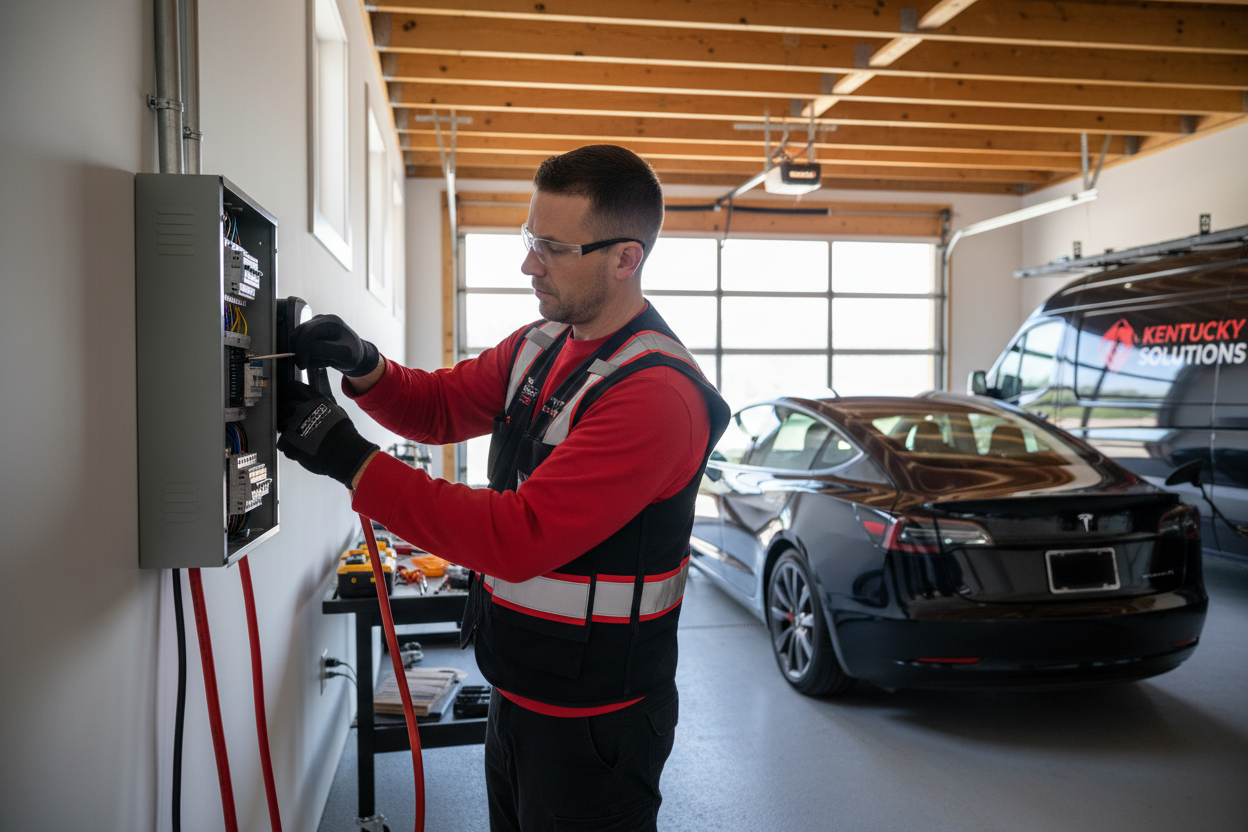
Installing a Level 2 EV charger in Kentucky typically costs between $800 and $2,500, with most Lexington homeowners paying around $1,400 for a complete installation including electrical panel assessment, circuit installation, and permit handling. Your final cost depends on your home’s electrical capacity and distance from the panel to your parking area. Doctor Electric’s licensed technicians provide upfront pricing that covers the charger unit, dedicated 240-volt circuit, code-compliant installation, and coordination with LFUCG building inspections.
What Does a Level 2 EV Charger Installation Include?
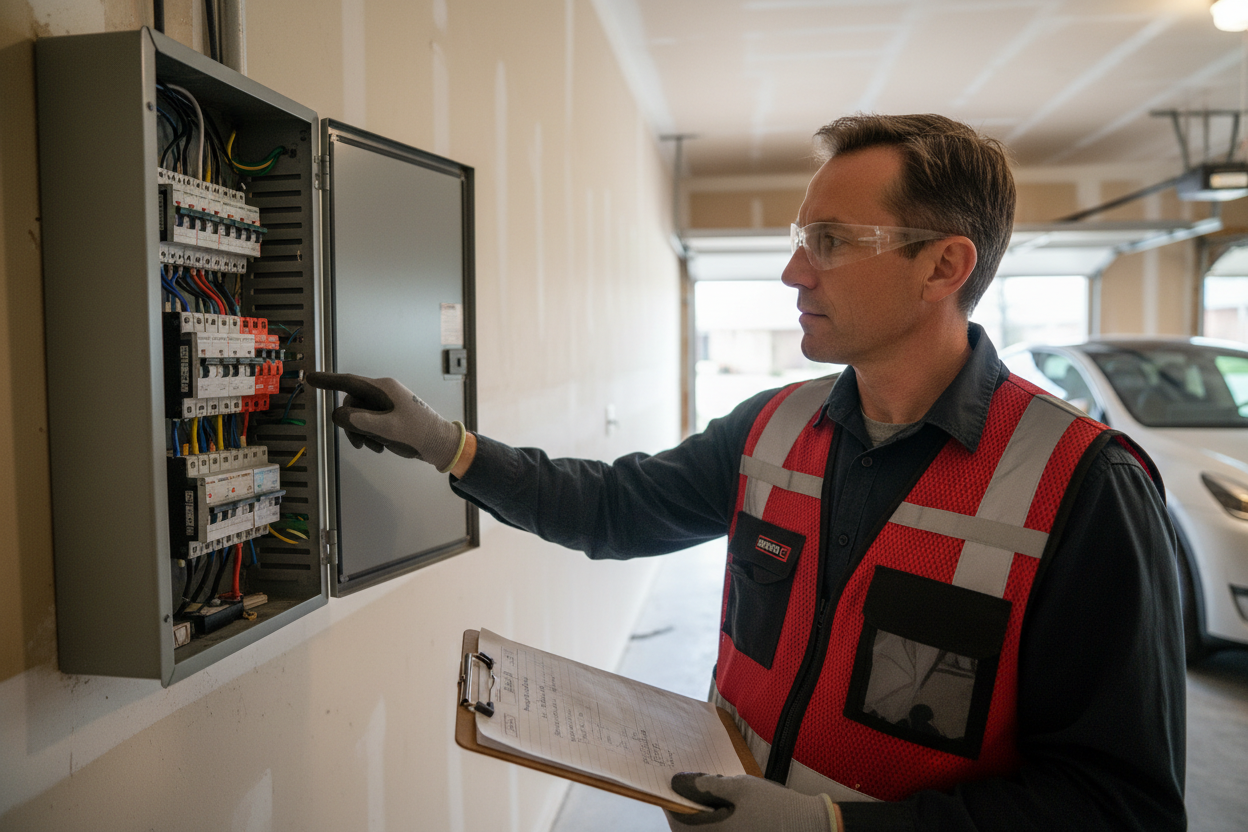
A Level 2 EV charger is a 240-volt charging station that delivers 25-30 miles of range per hour, operating 6-8 times faster than standard 120-volt outlets. Most electric vehicles charge completely overnight with this setup, making it the practical choice for home use.
Base Installation Components
A complete EV charger installation includes several critical elements. You’re not just mounting a box on your garage wall. Here’s what goes into every project we handle in Lexington:
- Dedicated 40-50 amp circuit from your main panel
- GFCI protection required by current electrical code
- Proper conduit and wire rated for continuous load
- Mounting hardware and weatherproof installation
- Permit filing with Fayette County and final inspection
- Load calculation to verify your panel capacity
Based on our experience with central Kentucky homes, straightforward installations typically cost $800-$1,200 for the electrical work. That assumes your panel has available capacity and sits within 25 feet of your charging location.
Hardwired vs. Plug-In Chargers
You’ve got two mounting options for your home ev charging station. Hardwired units connect directly to your electrical system and can’t be unplugged—they’re permanent and often required for higher-amperage models. Plug-in chargers use a NEMA 14-50 outlet (same as RV plugs) and give you flexibility if you move.
Most homeowners in the Hamburg area choose hardwired because they’re slightly less expensive to install and cleaner looking. But plug-in versions work great if you’re not sure this is your forever home. A properly installed Level 2 charger can fully charge most electric vehicles overnight using a 240-volt circuit, delivering 25-30 miles of range per hour of charging.
What Factors Affect Your EV Charger Installation Cost in Kentucky?
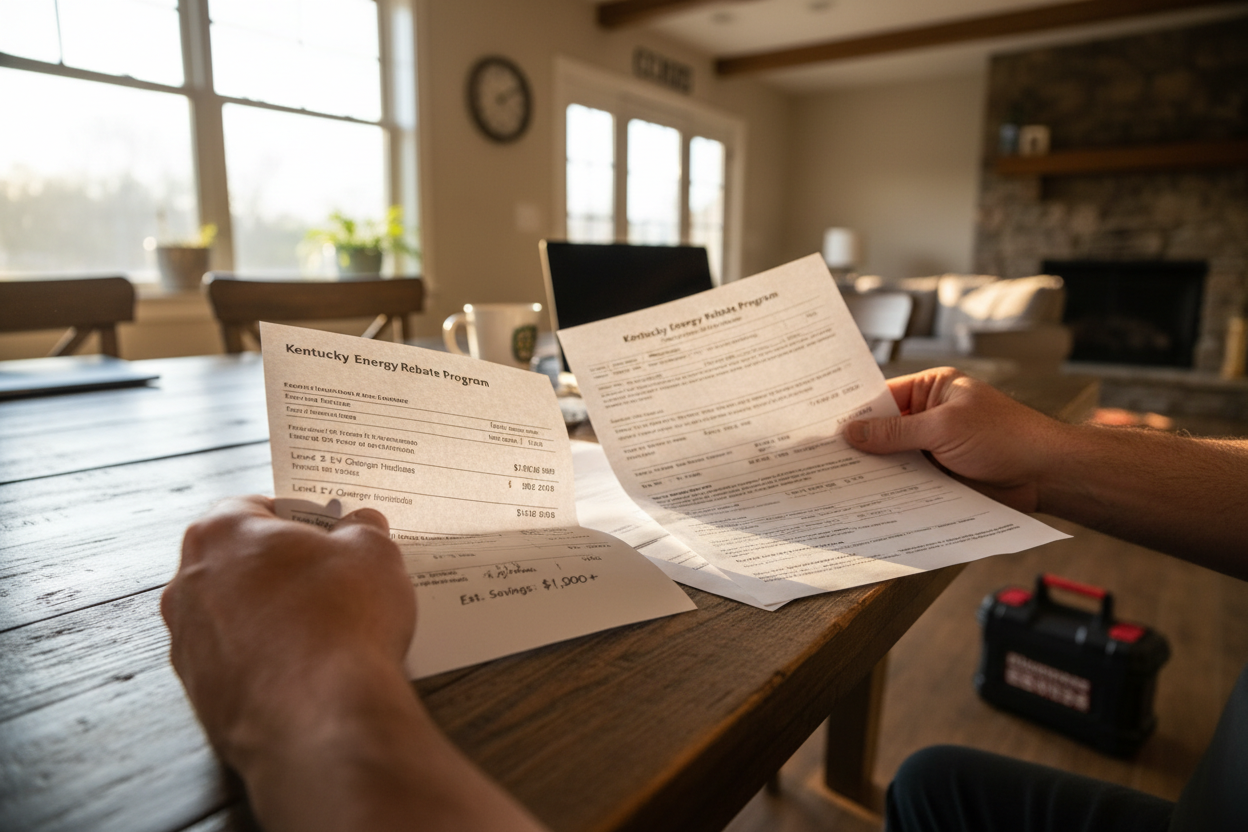
Panel capacity, distance from the electrical panel, and existing electrical system condition are the three biggest factors affecting EV charger installation cost. Let’s break down what drives the price when you’re adding Level 2 charging to your home.
Electrical Panel Capacity and Upgrades
A dedicated circuit is a standalone electrical pathway that serves only your EV charger, typically requiring a 40-60 amp breaker depending on your vehicle’s charging speed. Most Level 2 chargers need this dedicated line to safely deliver 240 volts without overloading your home’s electrical system.
Homes built before 2000 in Lexington often require a panel upgrade to support Level 2 charging, adding $1,200-$2,800 to the total installation cost. We check your available amperage during the initial assessment—if you’ve got 100-amp service and you’re already running central air, a dryer, and an electric water heater, there’s just not enough capacity left for EV charging.
Installation Location and Distance
The cost changes dramatically based on where you’re mounting the charger. If your garage shares a wall with your electrical panel, you’re looking at minimal wire runs. But if your panel’s in the basement and your charger needs to go on the far side of a detached garage 60 feet away, you’re paying for conduit, trenching, and additional wire gauge to prevent voltage drop. In 2026, approximately 35% of Kentucky EV owners require panel upgrades to support Level 2 charging, based on our experience across installations in central Kentucky.
Permitting Requirements in Lexington
Key cost factors include:
- Distance from panel to charger location (affects wire and conduit costs)
- Current panel capacity and available amperage
- Wire gauge requirements (typically 6-gauge or 8-gauge copper)
- Circuit breaker size (40-60 amp based on charger specifications)
- Permit fees in Lexington and Fayette County ($75-$150)
- Inspection scheduling and compliance verification
Not sure if your electrical panel can support EV charging? Doctor Electric provides free electrical system assessments for Lexington-area homeowners considering EV charger installation. Call (859) 368-0079 for upfront pricing and same-day service availability.
Kentucky EV Charger Incentives and Rebates in 2026
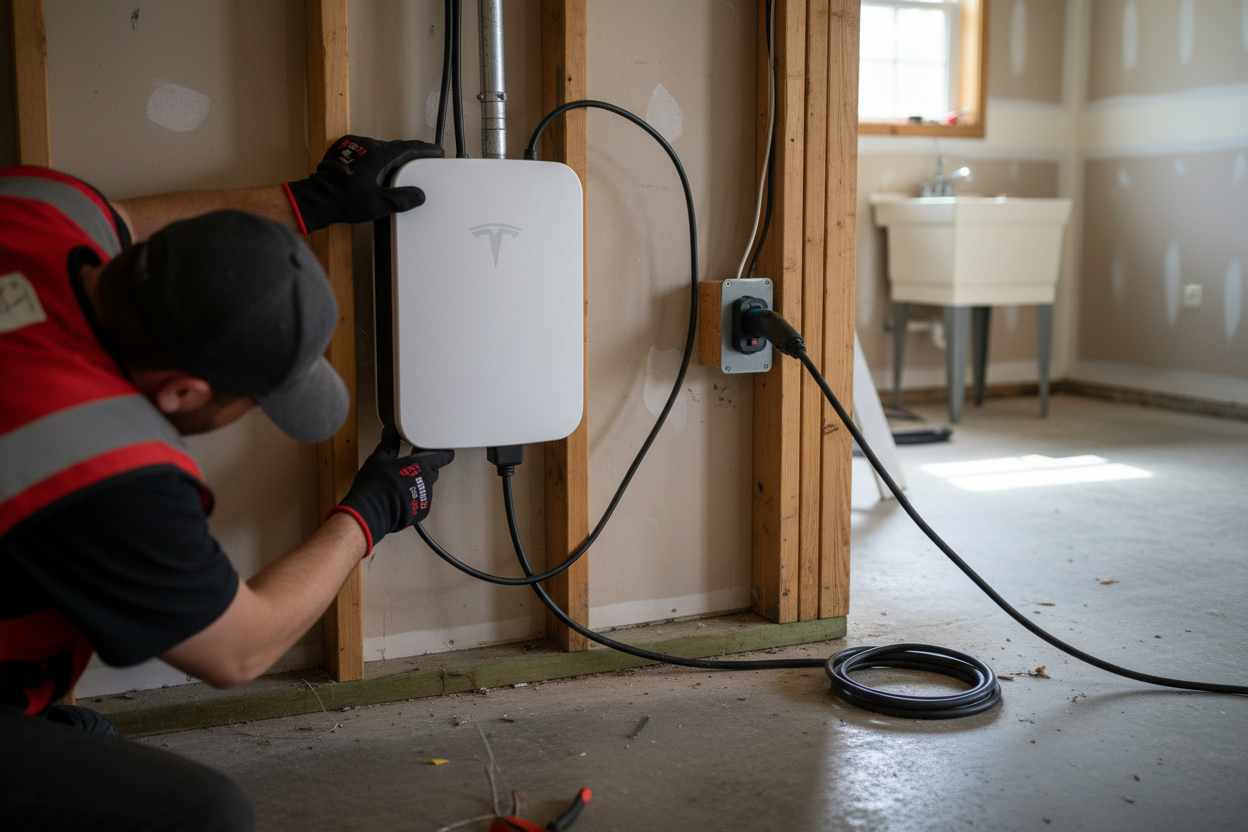
The good news? Several incentive programs can reduce how much you’ll pay out-of-pocket. In 2026, Kentucky homeowners can access up to $1,000 in federal tax credits for EV charger installation, reducing the effective cost significantly for qualified installations. And that’s not the only way to save money on your Level 2 charger setup.
Federal Tax Credits
The federal EV charger tax credit covers 30% of hardware and installation costs, capped at $1,000 total. You’ll claim this on your 2026 tax return using IRS Form 8911. Most Lexington homeowners qualify, though income limits apply—$150,000 for single filers, $300,000 for joint filers. We provide detailed receipts showing labor and materials separately, which your tax preparer needs for documentation.
Utility and Local Incentives
Kentucky Utilities offers time-of-use rates that lower your charging costs during off-peak hours, though they don’t currently have direct rebate programs for charger installation. Some charger manufacturers like ChargePoint and JuiceBox offer seasonal rebates of $100-$300—these change quarterly, so it’s worth checking before you buy. Based on our experience serving central Kentucky EV owners, federal tax credits combined with manufacturer incentives can reduce your out-of-pocket cost by $1,000-$1,500 in 2026.
We handle all the paperwork you need for Kentucky EV incentives claims. You’ll get itemized invoices, permit documentation from Fayette County, and installation certification—everything required to claim your federal credit without hassle.
Choosing the Right Charger and Installation Approach for Your Home
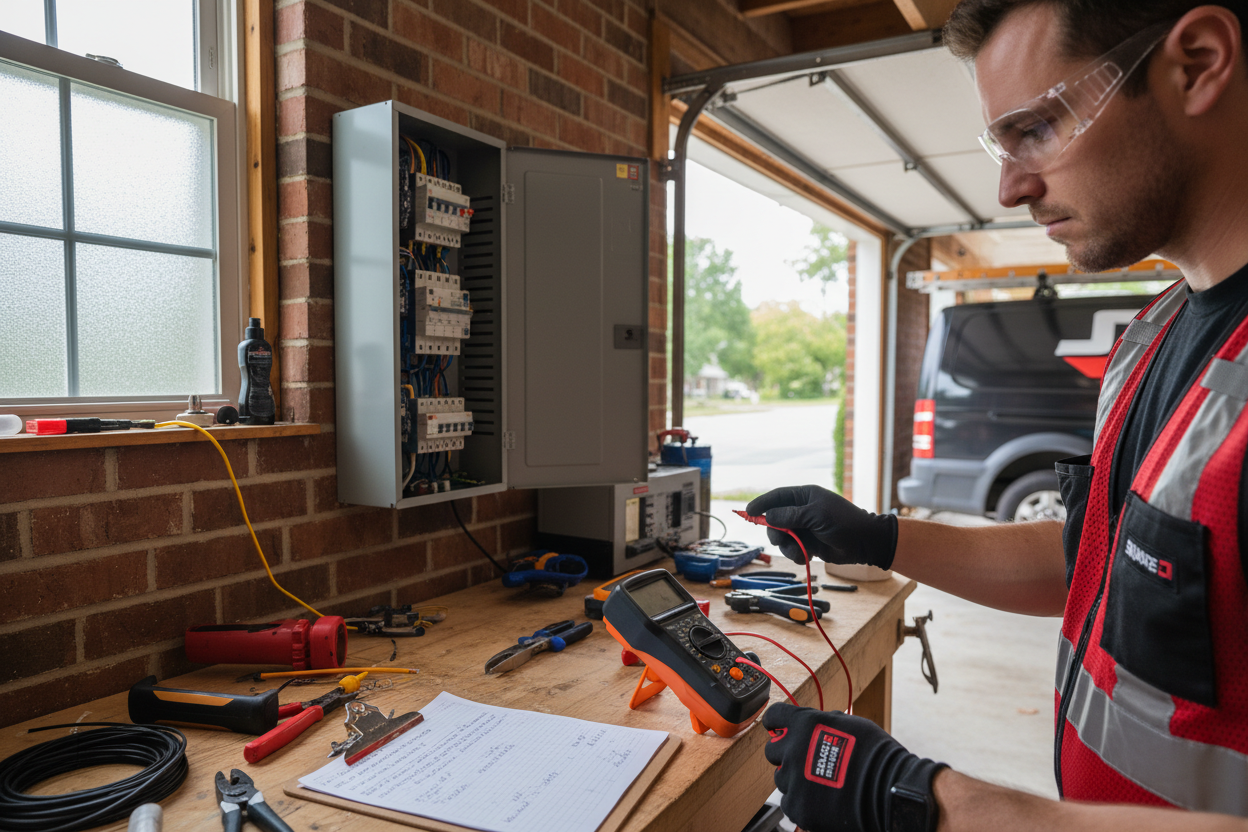
You’ve got two main paths for residential ev charging: hardwired installations and plug-in chargers. Hardwired installations cost $100-$300 more than plug-in chargers but offer cleaner aesthetics and higher power capacity for faster charging. The trade-off? You’ll need professional installation for hardwired units, though honestly, you should hire licensed technicians for either approach.
Hardwired vs. Plug-In Installation
Load calculation is the mathematical determination of your home’s electrical demand that ensures safe circuit sizing for new equipment. A hardwired ev charger connects directly to your panel and typically supports 40-48 amp charging. Plug-in models use a NEMA 14-50 outlet and usually max out at 32 amps. For many Chevy Chase homeowners with older electrical systems, that outlet-based approach makes upgrades simpler down the road.
Kentucky electrical code requires a dedicated 40-60 amp circuit for Level 2 EV chargers, and licensed electricians must pull permits for installations in Lexington and throughout Fayette County. What affects how much does it cost to install a Level 2 EV charger in Kentucky? The hardwired route adds labor but eliminates that chunky plug.
Smart Features Worth Considering
A smart ev charger adds $200-$400 to your equipment cost but delivers scheduling, energy monitoring, and app control. Basic models just charge. Smart models let you shift charging to off-peak hours when LG&E rates drop.
And here’s something we see frequently: homeowners skip the smart features, then wish they’d spent the extra money once they realize they’re charging during peak rate periods. The payback on smart chargers runs 18-24 months for most central Kentucky households based on current utility rates.
Why Professional Installation Matters for Kentucky EV Owners
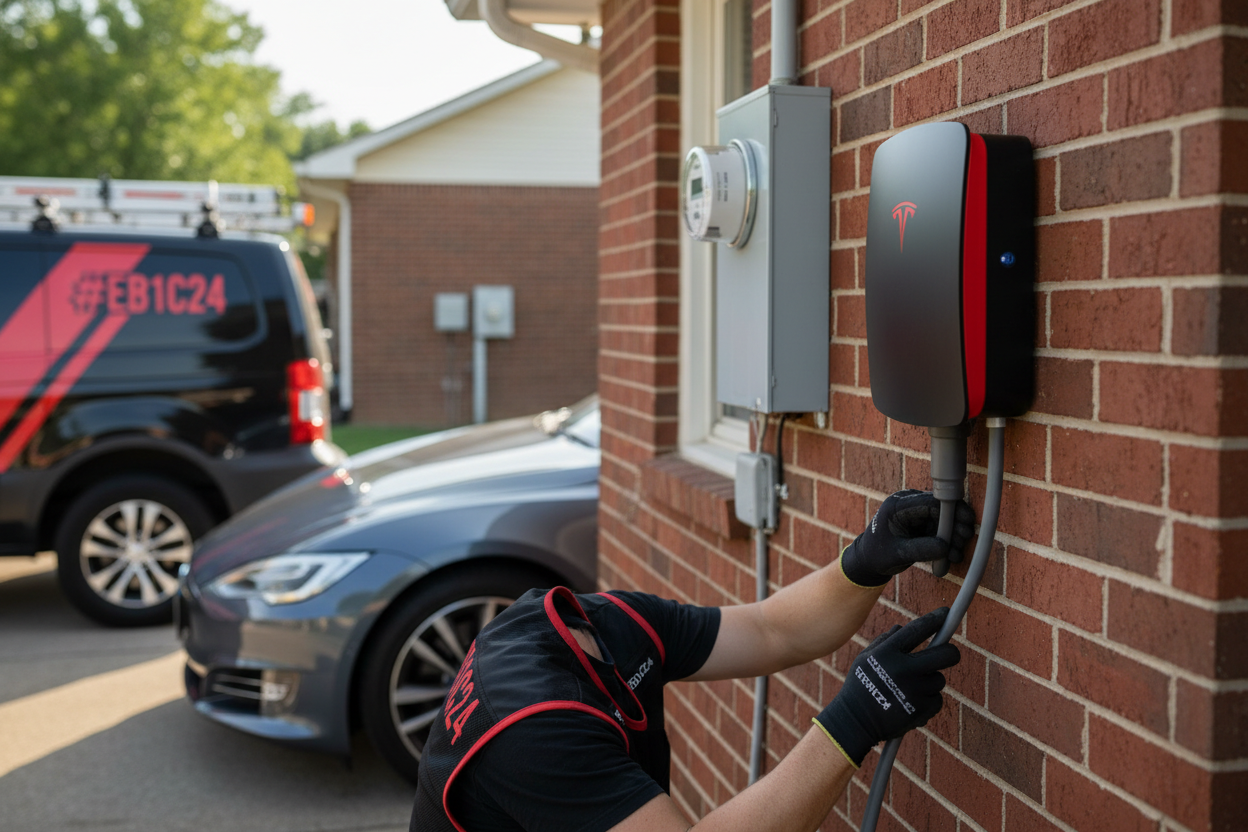
You can’t just hang an EV charger on your garage wall and call it done. Level 2 chargers pull serious power — 240 volts at 30-50 amps — and installing one without proper permits in Lexington and central Kentucky can void your warranty, fail inspection, or worse, create a fire hazard.
Licensed electricians perform load calculations before installation to ensure your home’s electrical system can safely support Level 2 charging without overloading circuits or creating safety concerns. We’ve upgraded panels in Chevy Chase homes built in the 1950s where the existing 100-amp service couldn’t handle the additional load from an EV charger without major work.
Professional installation ensures code compliance, protects manufacturer warranties, and guarantees safe operation of your charging equipment. Here’s what proper installation includes:
- Permit acquisition through Lexington-Fayette Urban County Government
- NEC 2023 compliance verification for dedicated charging circuits
- Load calculation to confirm your panel capacity
- Electrical safety inspection before and after installation
- Ground-fault protection requirements specific to EV charging equipment
The permit process matters more than most homeowners realize. Installing without an EV charger permit means you’re personally liable if something goes wrong, and your homeowner’s insurance may deny claims related to unpermitted electrical work.
Ready to install your Level 2 EV charger? Doctor Electric’s licensed technicians serve Lexington and central Kentucky with upfront pricing, permit handling, and professional installation. Contact us at (859) 368-0079 or visit our Enterprise Drive location to discuss your home charging needs.
Frequently Asked Questions About EV Charger Installation Costs in Kentucky
How much does it cost to install a Level 2 EV charger in Lexington, Kentucky?
Based on our experience serving central Kentucky homeowners, Level 2 EV charger installation typically costs $800-$2,500, with most projects landing around $1,400. Your final cost depends on your electrical panel capacity, the distance from the panel to your charging location, and whether you need electrical panel repair or upgrades. Doctor Electric provides upfront pricing after evaluating your home’s electrical system and charging needs.
Do I need a permit to install an EV charger in Kentucky?
Yes, electrical permits are required for Level 2 EV charger installations throughout Fayette County. Licensed technicians must pull permits to ensure installations meet National Electrical Code requirements and local safety standards. We handle all permit applications and inspections as part of our installation service, so you don’t have to navigate LFUCG’s permitting process yourself.
Will I need to upgrade my electrical panel for EV charging?
Approximately 35% of Kentucky homes require panel upgrades to support Level 2 charging, especially homes built before 2000—common in neighborhoods like Chevy Chase and older sections of Hamburg. We perform a load calculation to determine if your current panel has sufficient capacity for the additional 40-60 amp circuit that charging equipment demands. Panel upgrades typically add $1,200-$2,800 to installation costs.
How long does EV charger installation take?
Most Level 2 EV charger installations take 3-6 hours for straightforward projects. Installations requiring panel upgrades, longer wire runs through finished spaces, or additional electrical work may take a full day. We provide same-day installation for many Lexington-area projects when your electrical system is ready for charging equipment.
Are there tax credits for EV charger installation in Kentucky in 2026?
Yes, federal tax credits provide up to $1,000 for qualified EV charger installations in 2026, subject to income requirements. Some utility companies and charger manufacturers also offer rebates that stack with federal incentives. We provide documentation needed for tax credit applications and can advise on current incentive programs available to central Kentucky homeowners.
What’s the difference between hardwired and plug-in EV chargers?
Hardwired chargers connect directly to your electrical system and typically support higher amperage for faster charging. Plug-in chargers use a dedicated 240-volt outlet and offer flexibility if you move. Hardwired installations cost $100-$300 more but provide cleaner aesthetics and potentially faster charging speeds—the choice depends on your charging needs and future plans.