

Direct Answer
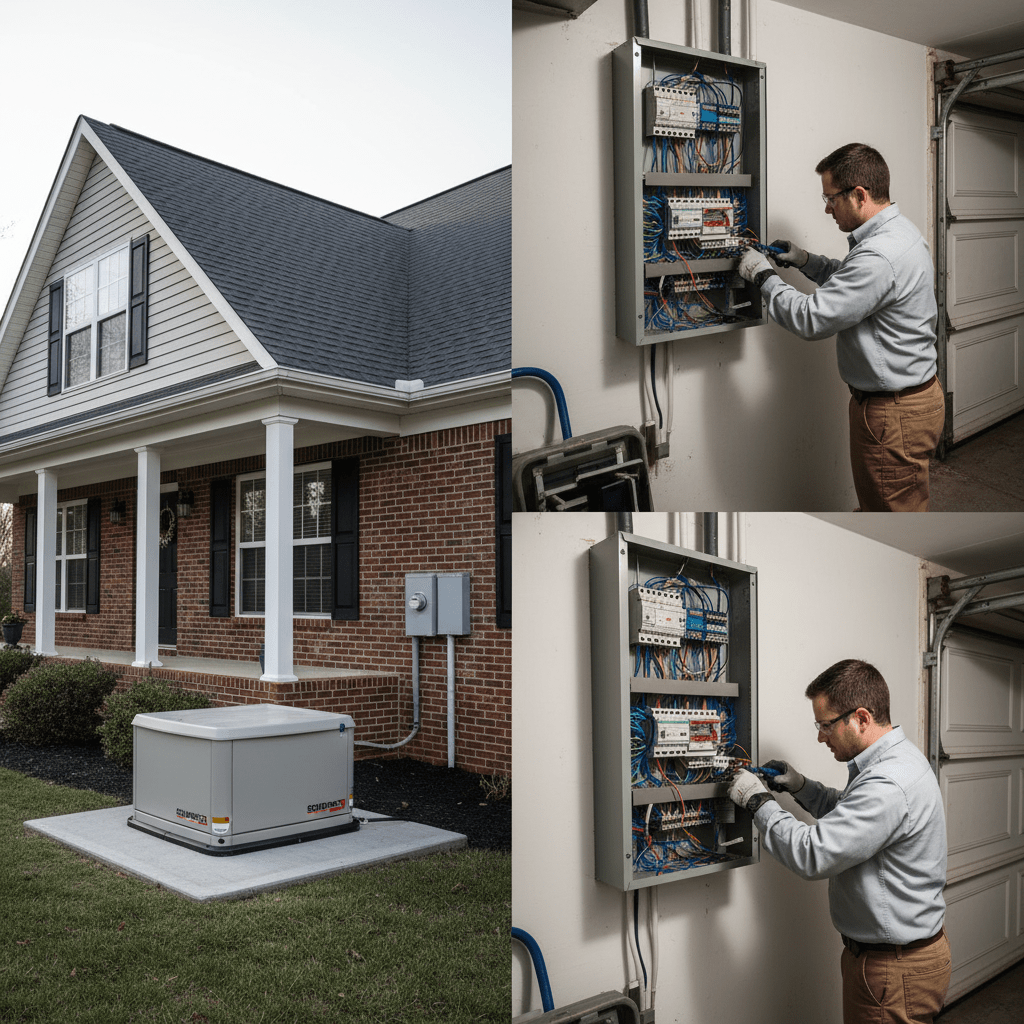
Whole house generator sizing is the process of calculating the minimum generator capacity needed to safely power essential circuits in your home during utility outages, measured in kilowatts (kW). Whole house generator sizing for Lexington homes depends on three critical factors: total square footage, which essential circuits you want powered during outages, and whether you’re running electric heat or air conditioning. Doctor Electric’s licensed technicians perform professional load calculations using your actual panel data to determine the right backup power capacity—with upfront pricing before work begins.
Why Generator Size Actually Matters (More Than You Think)
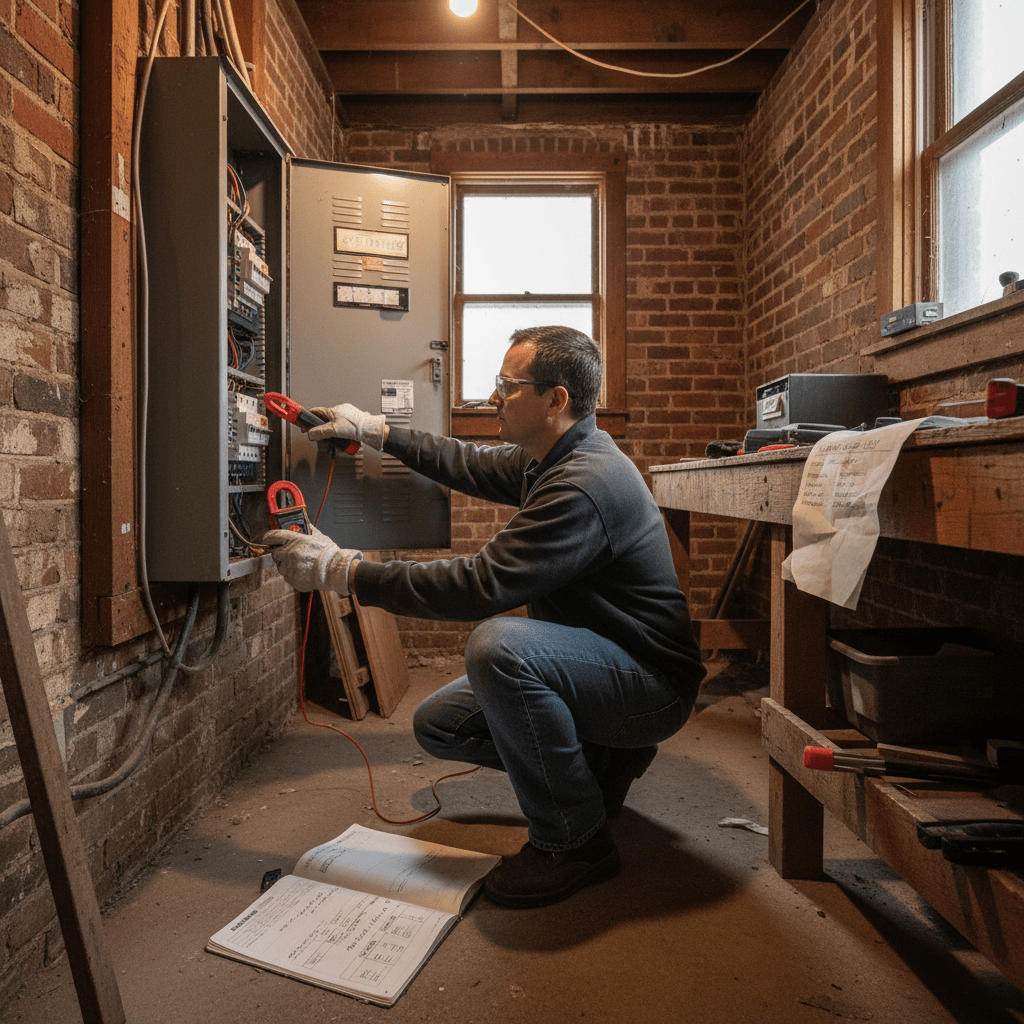
Most homeowners get this wrong. You’ll either buy a 22-kilowatt unit because you want to “power everything” or a 12-kilowatt because the price looked reasonable. Both approaches can cost you thousands in damaged equipment or wasted fuel.
Generator size isn’t about powering your entire home—it’s about identifying which circuits matter during a multi-day outage and sizing accordingly. We learned this the hard way after serving dozens of families during the 2021 Lexington ice storms when people discovered their expensive generators couldn’t actually run what they needed.
What Happens When Your Generator Is Too Small
An undersized generator creates serious concerns. Running a generator undersized by even 3-4 kW causes voltage drops that damage sensitive electronics, trigger nuisance tripping, and can shorten the generator’s lifespan by up to 40%. Your air conditioner might start and stop repeatedly. Your refrigerator could run hot. Your well pump might not start at all.
We’ve replaced circuit boards in HVAC systems that were destroyed by generator overload situations. It’s not just inconvenient—it’s expensive repair work on top of your original investment.
The Hidden Costs of Oversizing
But buying the biggest generator isn’t smart either. Here’s what oversizing actually costs you:
- Higher upfront purchase price (sometimes $3,000-5,000 more than needed)
- Increased fuel consumption during every outage
- More expensive maintenance and repair parts
- Wet stacking from running underloaded, which damages the engine
Professional whole house generator sizing through load calculation solves both concerns. Before we recommend any backup generator installation, we calculate your actual electrical demand using your panel data and your family’s priorities during extended outages.
Generator Sizing by Home Size and Load Requirements
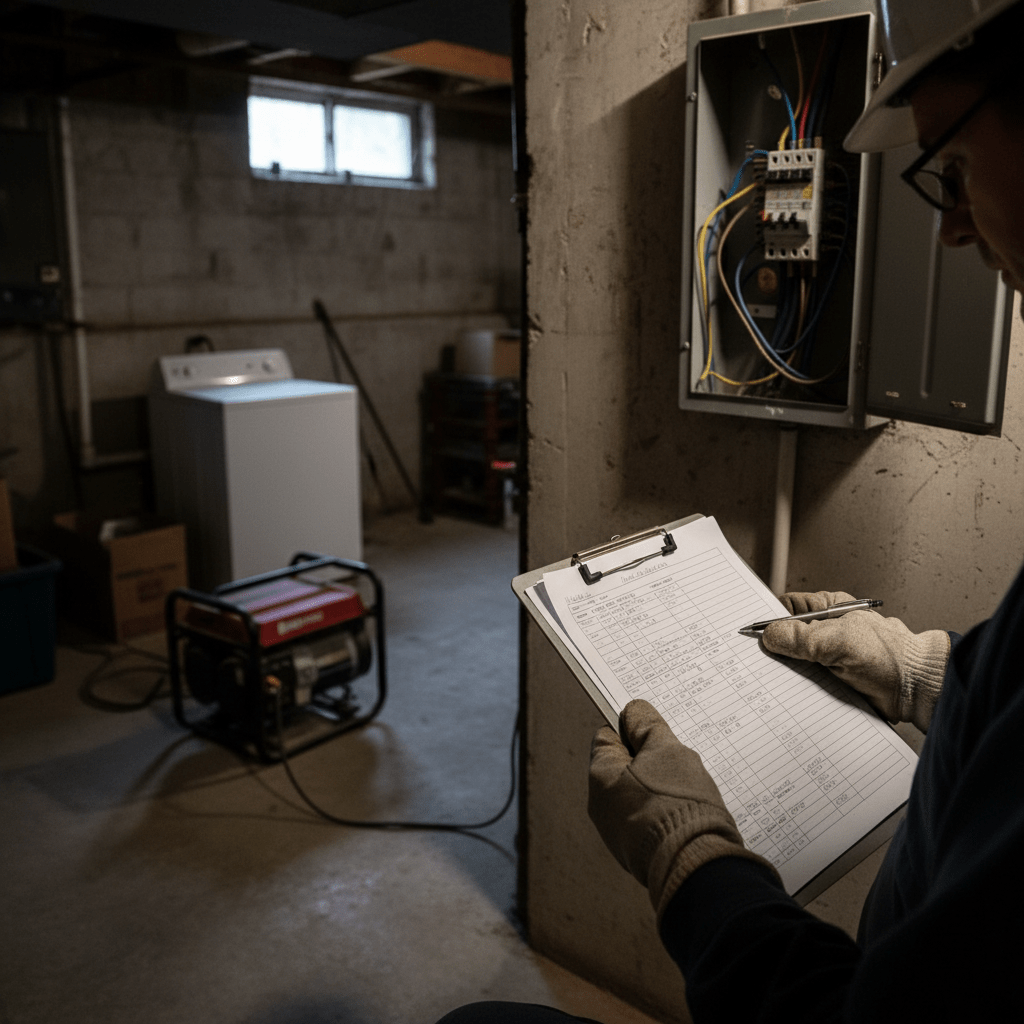
Starting wattage (surge wattage) is the temporary spike in power needed when motors and compressors first turn on—typically 2-3x the running wattage—and must be factored into whole house generator sizing. That initial surge when your HVAC kicks on or your well pump starts drawing water? That’s what determines whether your generator can handle the load or shuts down.
Most Lexington homes between 1,500 and 2,500 square feet need a 20-22 kW generator to power essential circuits including HVAC, refrigeration, and lighting. But here’s what matters more than square footage: what you’re actually running during an outage.
Essential Circuits vs. Whole-Home Power
| Home Size | Essential Circuits Only | Whole-Home Power | What You Get |
|---|---|---|---|
| 1,500 sq ft | 14-16 kW | 18-20 kW | HVAC, fridge, lights, outlets |
| 2,000 sq ft | 18-20 kW | 22-24 kW | Above plus water heater, washer |
| 2,500 sq ft | 20-22 kW | 24-26 kW | Entire panel with no restrictions |
| 3,000+ sq ft | 22-24 kW | 26-30 kW | Full home including multiple zones |
The Biggest Power Draws in Your Lexington Home
The three biggest power draws in Lexington homes are central air conditioning (3-5 kW), electric heat pumps (4-7 kW), and well pumps (1-2 kW starting load). Based on our experience with generator installations across central Kentucky, homes in county areas with well water systems need careful load calculations—that well pump startup can overload an undersized generator.
A 2,200 sq ft home in Gardenside with electric heat typically needs a 22kW generator. The NEC 2023 code requires professional load calculations based on your actual panel data, not just square footage estimates.
Not sure what size generator your Lexington home needs? Doctor Electric provides professional load calculations and upfront pricing for complete generator installations. Call (859) 368-0079 for a free consultation.
Common Generator Sizing Mistakes Lexington Homeowners Make
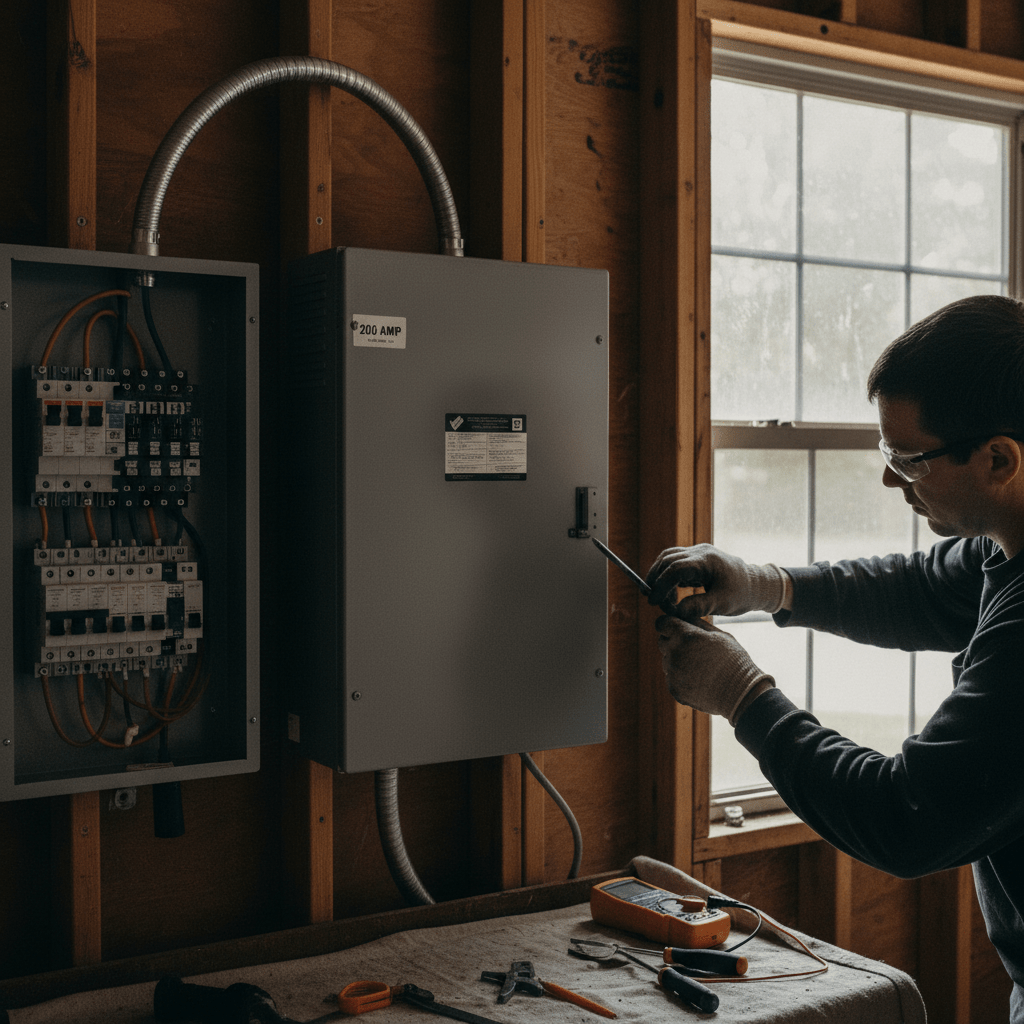
Most people think bigger is better and end up buying a 22kW unit when a 16kW would’ve handled everything. That wastes $2,500-$4,000 upfront plus higher fuel costs every time the power goes out.
The ‘Online Calculator’ Problem
Online generator size calculators spit out numbers, but they don’t know your home. They can’t see your actual panel load or how you live. Online generator calculators typically oversize by 30-50% because they use worst-case assumptions for every appliance rather than your home’s actual usage patterns and electrical panel capacity.
We sized a generator for a Hamburg home last winter where the online calculator said 24kW. After a proper load calculation using their actual panel data, they needed 18kW. That’s a $3,200 difference.
Planning for Future Electrical Needs
Here are the mistakes that cost Lexington homeowners thousands:
- Ignoring future additions: You’re planning EV charger installation next year? That’s another 40-50 amps your generator needs to handle.
- Forgetting starting loads: Your AC compressor needs 3x more power to start than it does to run. Cheap calculators miss this.
- Only sizing for summer cooling: Central Kentucky winters hit your backup generator capacity harder than you’d think. Heat pump backup strips can draw 15kW alone—more than your AC ever pulls.
Professional load calculation costs $150-$250 but prevents buying an oversized generator that wastes $2,000-$4,000 upfront plus higher fuel costs for years. We measure your actual electrical demand, account for what you’re adding, and size the generator for how you actually use power—not some calculator’s guess.
What Size Transfer Switch and Electrical Panel You’ll Need
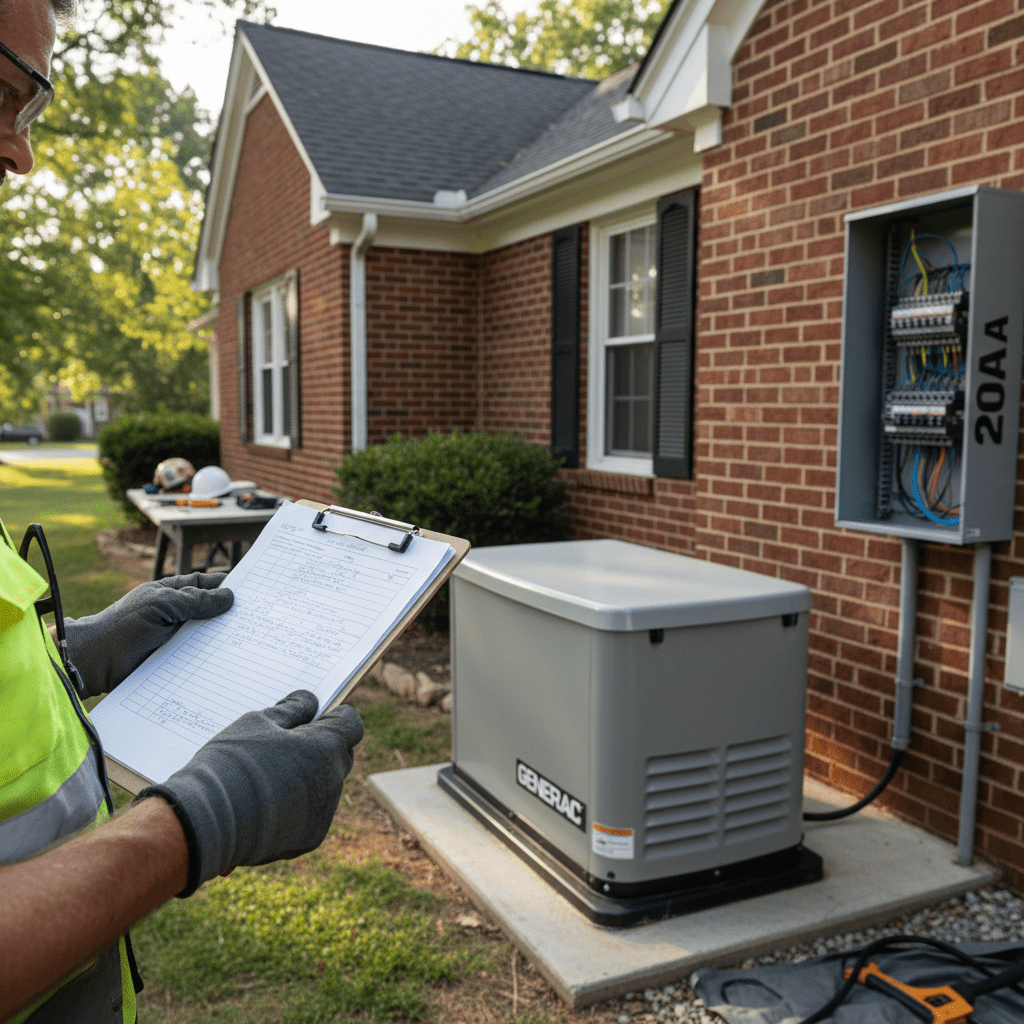
An automatic transfer switch is a device that monitors utility power and automatically switches your home to generator power within 10-15 seconds of detecting an outage, then switches back when utility power returns. Your transfer switch needs to match your generator’s output capacity—if you’re installing a 20 kW generator, you’ll typically need a 100-amp transfer switch.
Here’s what most homeowners don’t realize: your electrical panel capacity sets an upper limit on generator size. You can’t install a 24 kW generator on a 100-amp panel without upgrading the panel first. Many homes built before 1980 in neighborhoods like Chevy Chase still have 100A or 150A panels, which limits your generator options.
In 2026, transfer switch installation and electrical permits typically add $1,800-$2,400 to generator projects in Lexington, accounting for about 15-20% of total installation cost. That covers the switch itself, installation labor, and permit fees through Lexington and Fayette County.
When Your Panel Needs an Upgrade First
We evaluate your existing panel during every generator consultation. If you’ve got a 100-amp service and want whole-home backup, you’re looking at a panel upgrade before generator installation. Most modern homes need 200-amp service to support a properly sized whole house generator.
Doctor Electric handles all permitting and inspections—you won’t need to make trips to the LFUCG office or coordinate with separate contractors. We pull permits, schedule inspections, and make sure everything passes code the first time.
How to Calculate the Right Generator Size for Your Home (5 Steps)
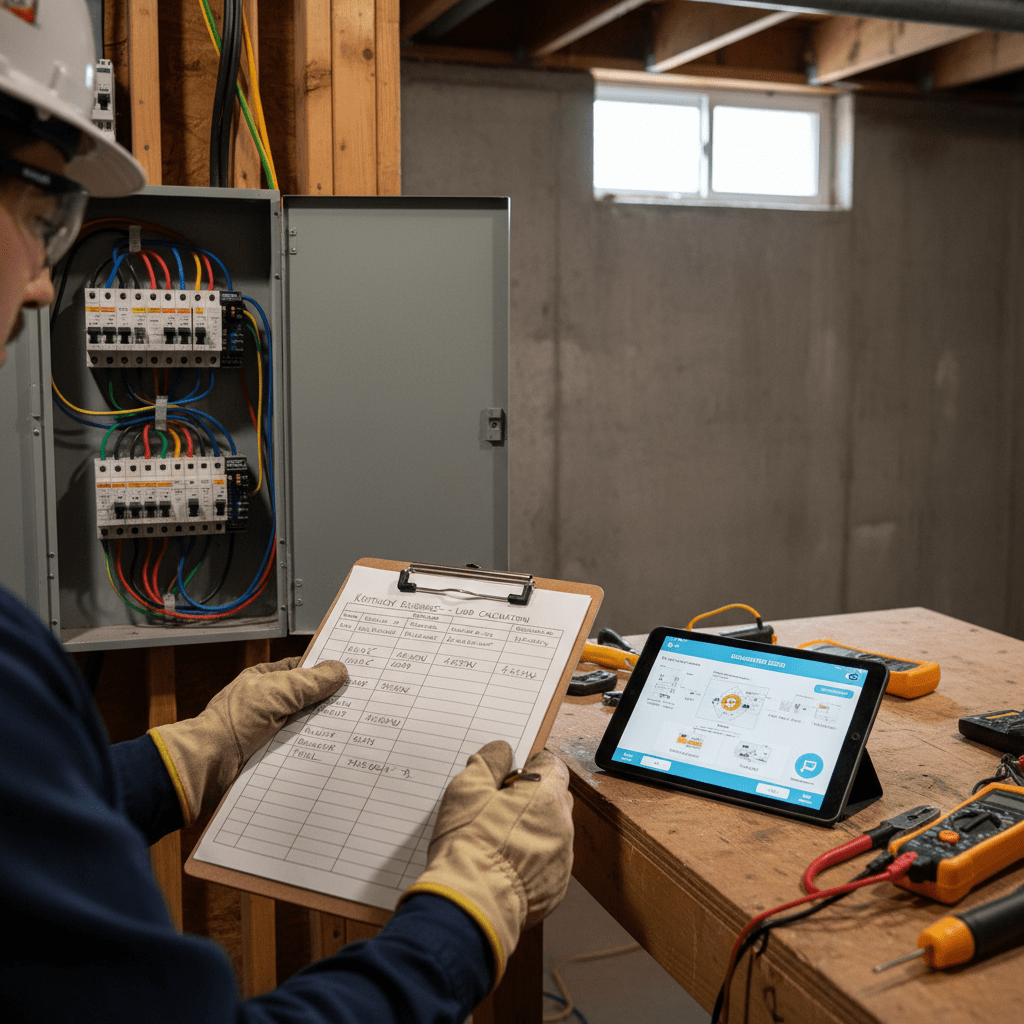
Load calculation is a professional assessment that totals the actual electrical demand of circuits you want powered, accounts for starting loads, and applies safety margins to determine minimum generator capacity. You can do a basic version yourself, but most homeowners find that licensed technicians catch things that online calculators miss—especially in older Lexington homes with 100-amp panels or mixed circuit configurations.
Here’s how to calculate generator size:
- List every circuit you want powered during outages—HVAC, refrigerator, sump pump, well pump, garage door opener, lighting circuits.
- Calculate starting and running wattage for each appliance (starting watts can be 2-3 times higher for motors and compressors).
- Add 20% safety margin to your total load to prevent overloading and extend generator life.
- Match your total to generator size categories: 12kW handles essentials, 16kW adds comfort systems, 20kW powers most circuits, 24kW+ runs everything.
- Verify your panel can support the automatic transfer switch—some older panels in neighborhoods like Ashland Park need upgrades before a home backup generator installation.
Doctor Electric performs load calculations using actual panel amperage and circuit inventory rather than online calculators, which often oversize generators by 30-50%. That difference can mean spending $8,000 on a 24kW unit when a properly sized 16kW would handle your actual load. Professional load calculation uses your actual electrical panel data and circuit configuration, not generic square footage estimates, resulting in accurate sizing that saves thousands on equipment costs.
Skip the DIY approach if you have medical equipment requiring battery backup, well pumps with variable loads, or heat pumps with auxiliary heat strips. These create complex load situations that need precise calculation.
Ready to protect your home from the next power outage? Doctor Electric’s licensed technicians handle everything—load calculation, generator sizing, permits, transfer switch installation, and startup. Get your free quote today: (859) 368-0079.
Frequently Asked Questions About Generator Sizing
What size generator do I need for a 2000 square foot house in Lexington?
Most 2,000 square foot homes in Lexington need a 20-22 kW generator to power essential circuits including HVAC, refrigeration, lighting, and outlets. If you want whole-home coverage including electric water heater, range, and dryer, you’ll need 22-24 kW. The exact size depends on whether you have electric heat, central air, and well water—many homes in the Chevy Chase area with all-electric systems require the higher end of this range.
Can a 22kW generator run a whole house?
A 22 kW generator can run most essential circuits in homes up to 2,500 square feet, including HVAC, refrigeration, lighting, and critical outlets. For true whole-home power including simultaneous operation of water heater, range, dryer, and all outlets, most homes need 24-26 kW. It depends on your total electrical load and which circuits you prioritize during outages.
How do I calculate what size generator I need?
Calculate generator size by listing every circuit you want powered, adding up their running wattage, accounting for starting surge—typically 2-3x running wattage for motors—and adding a 20% safety margin. However, professional load calculation using your actual panel data is more accurate than online calculators and prevents costly oversizing or dangerous undersizing that we see quite often.
Is a whole house generator worth it in Lexington, KY?
Whole house generators are worth it for Lexington homeowners who experience extended outages from ice storms, have medical equipment requiring uninterrupted power, work from home, or have sump pumps preventing basement flooding. Based on our experience serving central Kentucky, generators typically pay for themselves in prevented losses and convenience within 5-7 years given our region’s 2-4 significant outages annually.
What’s the difference between a 20kW and 24kW generator?
A 20 kW generator powers essential circuits in most homes under 2,000 square feet, while 24 kW handles larger homes or simultaneous operation of high-draw appliances like central AC and electric dryer. The 4 kW difference costs about $1,200-$1,800 more upfront but provides flexibility for future electrical additions and prevents overload situations during peak demand.
Proper whole house generator sizing requires professional load calculation specific to your home’s actual electrical demand, not generic square footage estimates.